The $1 coin, a staple in everyday transactions, holds symbolic value for many communities. Girl Guides embrace it as a teaching tool, linking history, economics, and stewardship. Through engaging experiences, members learn to appreciate currency’s role in societyandpersonal responsibilityandcommunity pride!
Historical Background of the $1 Coin
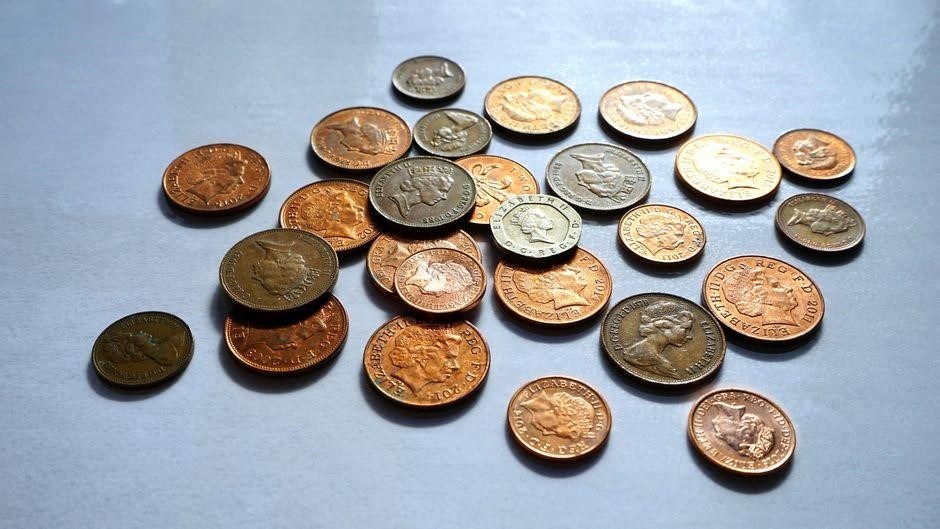
The $1 coin emerged in the early 20th century, reflecting economic growth and national identity. Its design evolved, featuring iconic symbols and leaders. Over decades, it became a common medium, symbolizing stability and unity, and remains a cherished numismatic piece for collectors and guides alike. Its legacy inspires!!!!.
Minting and Design
The $1 coin’s journey from design to minting reflects a blend of artistry and precision. Conceived in the early 1900s, its first versions showcased a prominent leader’s portrait on the obverse, flanked by national symbols like a maple leaf or emblem. The reverse highlighted the country’s flag, denomination, and a commemorative year. Minting techniques evolved from hand striking—producing subtle variations prized by collectors to modern high‑pressure presses that deliver consistent weight, diameter, and edge lettering. Edge designs now often feature reeded or milled patterns to deter counterfeiting and add visual interest. Designers collaborate with numismatic experts to balance aesthetic appeal with functional durability. Choices of metal—copper‑nickel alloys, silver‑based compositions, or newer composites—affect both longevity and visual quality. Finishing processes such as annealing, polishing, and plating refine the surface, enhancing luster and resistance to wear. Limited‑run editions may include matte, brushed, or holographic finishes, creating collectible variants that attract enthusiasts worldwide. Each redesign often marks national milestones or leadership changes, embedding cultural narratives into the coin. These stories are encoded in the imagery, turning a simple currency piece into a portable chronicle of heritage. Collectors value details visible under magnification: shading, work, texture.!!! Thus, the $1 coin serves as a medium and a canvas for storytelling, fostering appreciation for national identity among Guides. Through their educational initiatives, Girl Guides encourage young collectors to study coinage, fostering a lifelong appreciation for history and economics. Their workshops and field trips provide experiences, members examine coins firsthand and learn minting processes historical contexts and community.
The Role of Girl Guides in Coin Collecting
Girl Guides champion coin collecting by weaving it into leadership, teamwork, and curiosity. They host clubs where members catalog coins, learn minting, and share stories. Through badges and challenges, Guides celebrate numismatics, turning a simple $1 coin into a lesson in history, value, and stewardship.!! .
Educational Programs
Girl Guides have developed a range of structured learning modules that use the everyday $1 coin as a gateway to explore broader themes of economics, history, and civic responsibility. Each program is designed to be hands‑on, encouraging scouts to physically handle coins, examine mint marks, and record observations in a dedicated journal. The curriculum is divided into three progressive stages: beginner, intermediate, and advanced. In the beginner stage, guides learn the basics of coin identification, including the year of issue, metal composition, and common wear patterns. Also explore the story behind the coin’s design, such as the national symbol or historical figure depicted, fostering an appreciation for cultural heritage. The intermediate stage introduces comparative analysis, where scouts compare $1 coins from different years or special commemorative editions. They learn to assess condition using the Sheldon grading scale and discuss how rarity and demand influence market value. Advanced participants engage in research projects, compiling data on circulation statistics, minting errors, and auction results. They present findings in a mock numismatic exhibition, developing public speaking and analytical skills. Throughout all stages, the programs emphasize ethical stewardship of currency, teaching scouts to respect the integrity of coins and to avoid tampering or altering them. Digital resources, such as interactive apps and virtual coin libraries, supplement in‑person lessons, allowing scouts to practice identification and grading in a simulated environment.
Understanding the Monetary Value of the $1 Coin
The $1 coin’s face value is simple, yet its market value can vary with condition, rarity, and demand. Guides learn to distinguish between nominal worth and collectible price, using grading tools and market data to assess true value beyond the coin’s face amount. They gain skills that help them analyze prices, trends, and value!
Face Value vs. Market Value
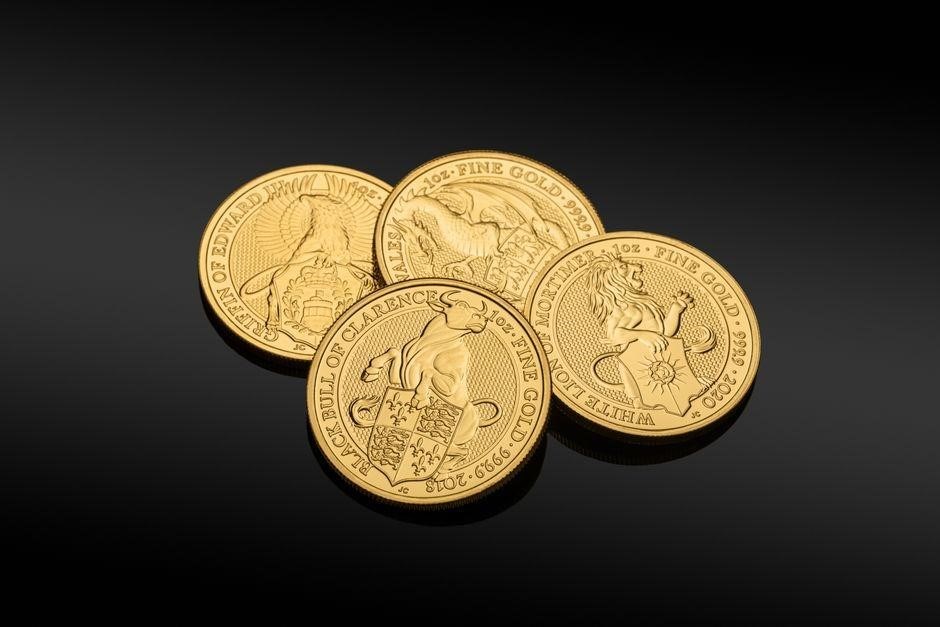
The face value of a $1 coin is the amount printed on it, indicating its legal tender status. Market value, however, reflects what collectors are willing to pay and can differ significantly due to condition, rarity, demand, and historical context. A coin in mint condition with a limited mintage may fetch a premium, while a common, worn coin might trade below its face value. Economic factors such as inflation and changes in currency demand also influence market prices. Collectors use price guides, auction results, and grading reports to assess a coin’s true worth. Understanding the distinction between face value and market value helps buyers make informed decisions and appreciate the nuances that make numismatics a dynamic field of study.
When evaluating a coin, collectors consider its provenance, any minting errors, and whether it has been professionally graded. A high-grade coin from a reputable service can command a price that far exceeds its nominal value, reflecting buyer confidence in authenticity and condition. Market trends are also shaped by collector sentiment; a surge in interest for a particular series can drive prices upward, while a decline in demand can lower them. Digital platforms and auction houses provide real-time data, allowing enthusiasts to track price movements and make timely purchases or sales.
Ultimately, the interplay between face value and market value showcases the evolving nature of coin collecting, where historical significance, physical condition, and market dynamics converge to determine a coin’s true worth and more!!!
Factors Influencing the Value of a $1 Coin
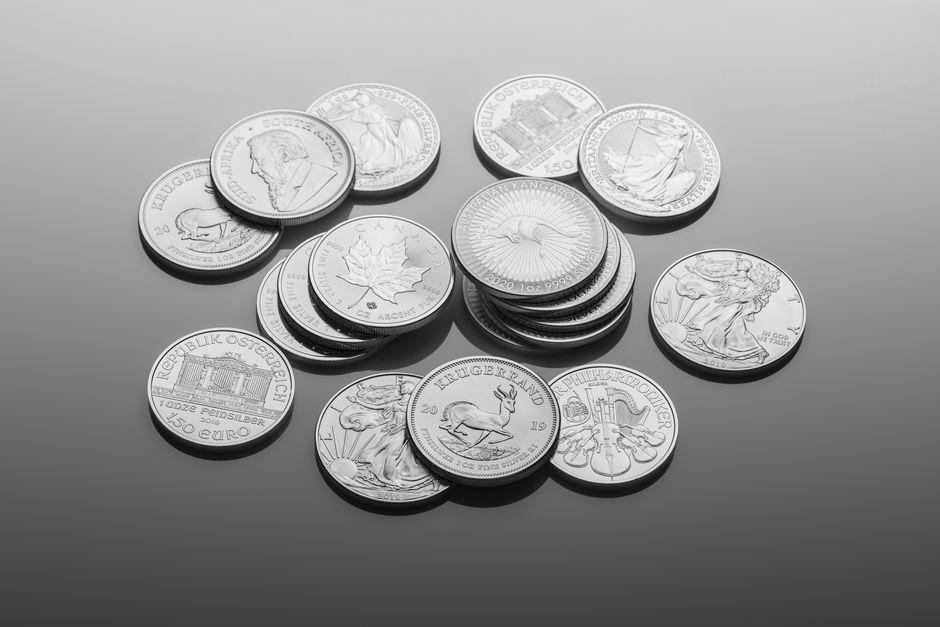
Condition, rarity, and demand shape a $1 coin’s worth. Mint‑clean pieces fetch higher prices, while worn examples trade lower. Limited mintage or unique errors boost value. Market sentiment, economic trends, and collector interest also play pivotal roles. Collectors check mint marks and provenance authenticity.
Condition, Rarity, Demand
When evaluating a $1 coin, collectors first assess its condition, which is measured on a scale from “Poor” to “Mint State.” A coin that has retained its original luster, sharp edge lines, and clear strike details commands a premium. Even a slight loss of polish can reduce value by several percent. Rarity is the next critical factor. Coins minted in limited runs, special commemorative editions, or with unique errors—such as double strikes, off‑center strikes, or missing design elements—are highly sought after. The scarcity of these variants often drives prices well above the face value. Demand reflects the current market appetite for a particular coin. Economic conditions, collector trends, and media exposure can all influence how many people are willing to pay a premium. For example, a resurgence in interest for early 20th‑century coins can spike demand, leading to higher auction results. Collectors must also consider the coin’s provenance, as a documented history can add credibility and value. In practice, a well‑conditioned, rare coin that is in high demand can fetch a price that is several times its nominal value, whereas a common, worn coin may only trade at a modest premium. Therefore, a balanced assessment of condition, rarity, and demand is essential for accurate valuation and for guiding purchasing decisions within the Girl Guides’ coin‑collecting programs.
Collectors learn to value coins by studying mint marks, edge wear, and historical context, enhancing their appreciation for numismatic heritage and the coin’s provenance. 2024
Collecting Tips for Beginners
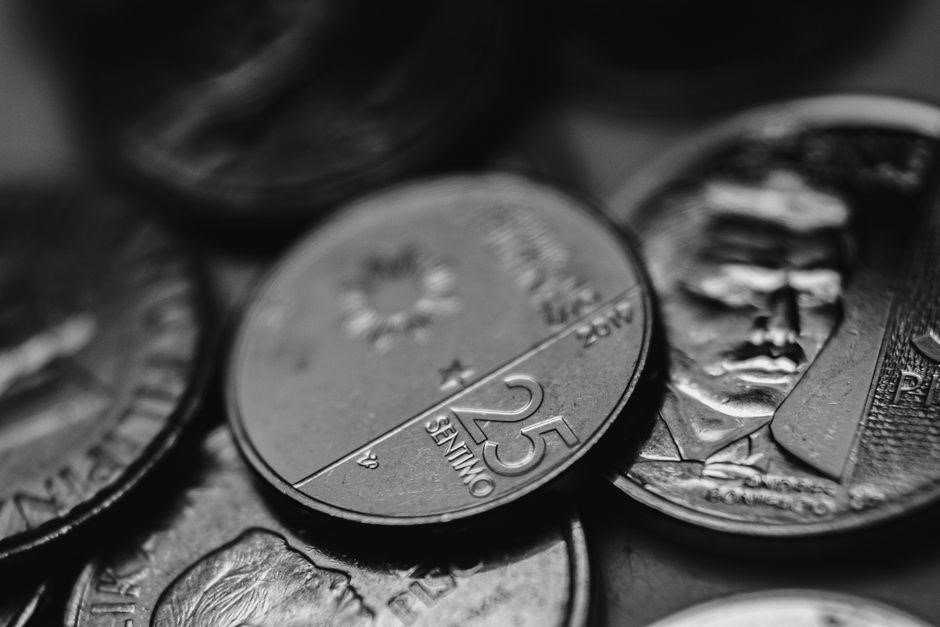
Starting a $1 coin collection can feel overwhelming, but a few simple strategies make the journey rewarding. First, set clear goals: decide whether you want a complete series, focus on commemorative issues, or collect coins from specific years. Next, learn the grading scale—“Good,” “Very Good,” “Fine,” “Very Fine,” “Extremely Fine,” and “Mint State.” Understanding these terms helps you gauge a coin’s condition and price. Use a magnifying glass or loupe to inspect edge wear, strike quality, and any surface imperfections. Keep a detailed log: record mint year, mint mark, condition, and purchase price. This record will help you track progress and spot trends. Start small by buying from reputable dealers or local coin shows; avoid overpaying for unverified pieces. Store coins in a cool, dry environment using coin holders or sleeves to prevent tarnish. Attend Girl Guides workshops or local numismatic clubs to learn from experienced collectors and stay updated on market shifts. Finally, be patient—value grows over time, and the joy of discovering a well‑conditioned, rare $1 coin is priceless.
Remember, the market for $1 coins can fluctuate with economic conditions and collector interest. Building a network with fellow collectors often leads to trade opportunities and shared knowledge. Documenting each acquisition in a digital ledger helps maintain an organized collection and provides a reference for future valuations. Finally, always verify authenticity by checking mint marks and serial numbers before purchase. Patience pays soon.
How Girl Guides Promote Coin Literacy
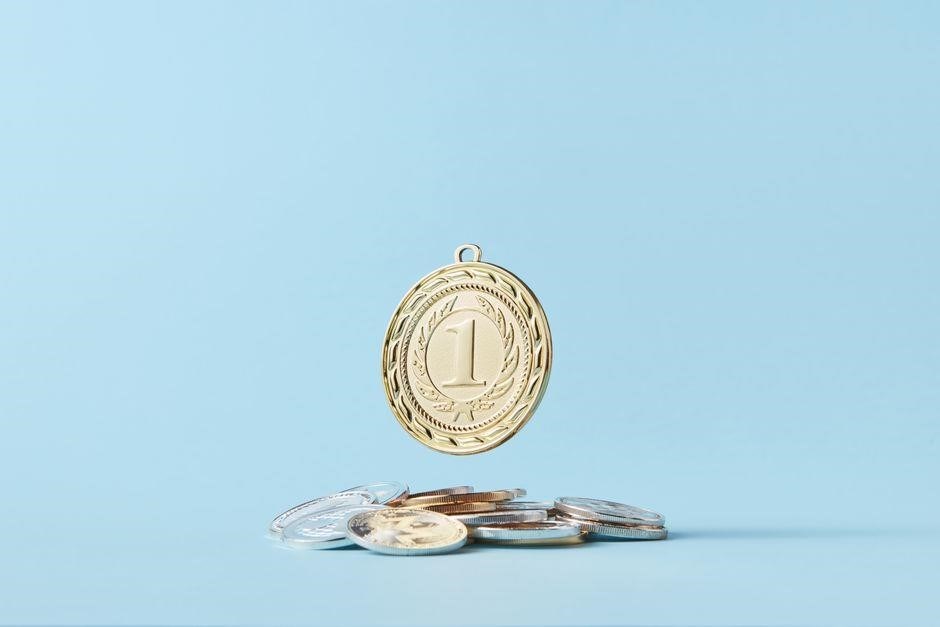
Girl Guides spark coin literacy by weaving history, math, and stewardship into fun activities. They host coin‑identification workshops, field trips to mints, and friendly competitions that teach value, condition, and market trends. Digital tools and apps reinforce learning. Join clubs for deeper insight now
Workshops, Field Trips, Competitions
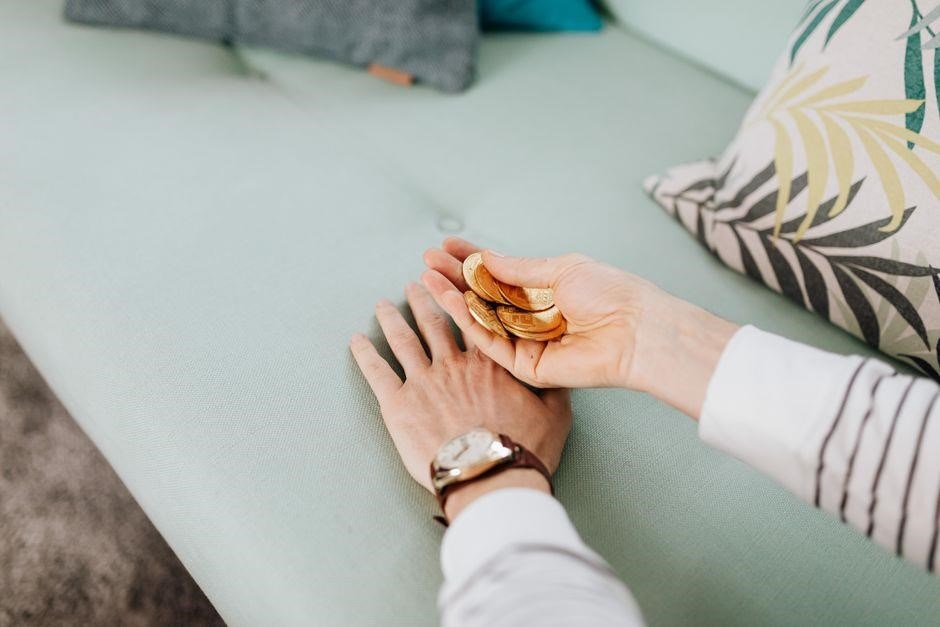
In the Girl Guides program, coin‑focused workshops teach how to examine a $1 coin’s edge, face, and mint mark. Guides learn to spot subtle differences that affect value, such as wear and strike quality. The session covers grading scales, enabling members to assess a coin’s condition accurately. Participants also practice sorting coins by mint year, learning how historical events influence design.
Field trips let Guides see the minting process up close. They visit museums and the national mint, learning about alloy composition and design changes. Guides receive a commemorative $1 coin to keep, a tangible reminder of the journey. They also collect a sample of coins from each mint to compare edge designs and mint marks.
Competitions spark healthy rivalry. The “Coin Quest” challenge invites teams to identify, catalog, and value $1 coins within a set time. Winners receive certificates and their findings are showcased in the Guides’ digital archive, inspiring peers to pursue further study. Teams also analyze market trends, noting how rarity affects auction prices.
Collectively, these activities build a holistic learning environment. By blending theory with practice, Girl Guides empower members to value the $1 coin’s intrinsic worth. The program’s flexible approach builds confidence in research, critical thinking, and public speaking, ensuring every participant can contribute meaningfully to coin‑literacy. Members create a portfolio of coins, documenting each piece’s history and market value, which they present at annual exhibitions.!
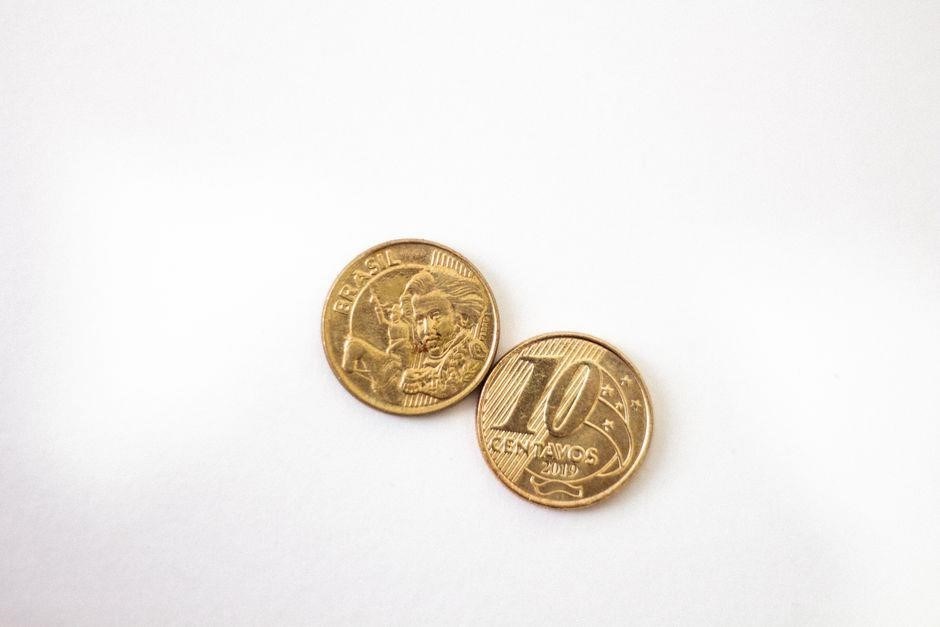
Digital Resources and Apps
Guides can explore a range of online tools that turn the $1 coin into an interactive learning experience. The CoinApp offers a searchable database of mint years, mint marks, and condition grades, allowing members to compare their own coins with market listings. A built‑in scanner lets them capture an image of the coin’s edge and face, then the app highlights key features and estimates a baseline value based on recent auction data.
Another popular platform is NumisGuide, which hosts video tutorials on spotting subtle differences between commemorative and regular $1 issues. Guides can watch step‑by‑step demonstrations of how to read a coin’s strike quality, and the app’s quiz mode tests their knowledge in a gamified format. The community forum encourages discussion, letting members share photos of their collections and receive feedback from experienced numismatists.
For field‑trip planning, the MintMap app provides interactive maps of national mint locations, complete with historical timelines and virtual tours. Guides can schedule visits, receive reminders, and log observations into their digital portfolio online. The app syncs with the GuideTracker system, ensuring all data stays organized and accessible for future reference.
Finally, the CoinValue Tracker app aggregates real‑time market prices from reputable auction houses. Guides can set alerts for specific mint years or condition grades, receiving push notifications when a $1 coin hits a target price. This real‑time data helps members understand how rarity, demand, and economic trends influence value, turning abstract concepts into tangible insights.