Steak Ordering Guide: A Comprehensive Overview
Navigating the world of steak can be daunting, but understanding cuts, doneness, and restaurant etiquette ensures a delightful experience, from ribeye to round cuts.
Understanding Beef Cuts
Beef cuts vary significantly in tenderness and flavor, impacting your steak experience. Premium cuts like Ribeye, New York Strip, and Filet Mignon are prized for their marbling and tenderness, often featured in upscale restaurants. The Ribeye boasts rich flavor, while the Filet Mignon offers exceptional tenderness.
T-Bone and Porterhouse steaks present the best of both worlds, combining a New York Strip and Filet Mignon separated by a bone – the Porterhouse having a larger filet portion. Loin cuts, generally tender and flavorful, provide excellent options for grilling or pan-searing. Understanding these distinctions empowers informed ordering decisions, ensuring satisfaction with your chosen cut.
Angus beef is also a popular choice, known for its quality and marbling. Exploring these cuts unlocks a deeper appreciation for the art of steak.
Prime Cuts: Ribeye, New York Strip, and Filet Mignon
These cuts represent the pinnacle of steak quality, favored by connoisseurs for their exceptional tenderness and rich flavor profiles. The Ribeye, known for its abundant marbling, delivers a robust, beefy taste and remains incredibly juicy during cooking. The New York Strip offers a firmer texture and a balanced flavor, making it ideal for those who prefer a slightly chewier bite.
Filet Mignon, arguably the most tender cut, boasts a delicate flavor and melts in your mouth. Its lean nature benefits from careful cooking to prevent dryness. These prime cuts are often showcased in restaurants and are worth the investment for a truly memorable steak experience.
Consider these options when seeking a premium steak dinner.
T-Bone and Porterhouse Steaks: The Best of Both Worlds
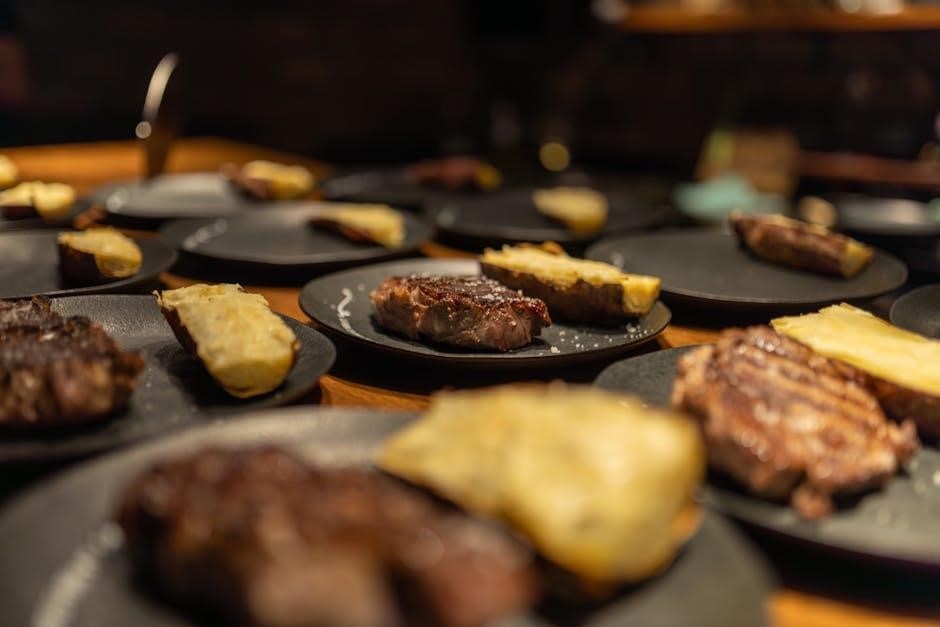
The T-Bone and Porterhouse steaks offer a unique dining experience, presenting two distinct cuts – a New York Strip and a Filet Mignon – separated by a T-shaped bone. This configuration provides the best of both worlds: the robust flavor of the Strip combined with the tenderness of the Filet. The Porterhouse is essentially a larger version of the T-Bone, featuring a significantly more substantial portion of Filet Mignon.
When ordering, be aware of the size difference. Porterhouses are ideal for those with a larger appetite or who wish to share. Both cuts benefit from careful cooking to ensure each side reaches the desired doneness. These steaks are visually impressive and deliver a complex flavor profile.
Loin Cuts: Tender and Flavorful Options
Loin cuts are renowned for their exceptional tenderness and rich flavor, making them popular choices for steak enthusiasts. This section of the cow experiences minimal exercise, resulting in incredibly soft muscle tissue. The New York Strip, a classic choice, boasts a firm texture and bold beefy taste, often preferred by those who appreciate a robust flavor profile.
Filet Mignon, also from the loin, is arguably the most tender cut available, melting in your mouth with each bite. While incredibly tender, it’s milder in flavor compared to the Strip. Top Loin steaks offer a balance between tenderness and flavor, providing a versatile option for various cooking methods. These cuts generally command a higher price due to their quality.
Navigating Less Tender Cuts
While prime cuts steal the spotlight, less tender cuts offer incredible flavor and value, especially when prepared correctly. These cuts, originating from heavily exercised muscle areas, require longer cooking times to break down connective tissues. The Round, located in the hindquarters, is an economical choice, best suited for braising or stewing to achieve tenderness and unlock its rich flavor.
Chuck cuts, from the shoulder, are similarly ideal for slow cooking methods like pot roasting or braising. They benefit immensely from low and slow heat, transforming into incredibly flavorful and succulent dishes. Don’t shy away from these cuts; with the right technique, they deliver a satisfying and delicious steak experience, proving that tenderness isn’t everything!
Round Cuts: Economical Choices for Braising and Stewing
Originating from the hindquarters of the cow, round cuts represent exercised muscle with minimal marbling, often resulting in a drier texture if not prepared thoughtfully. However, this characteristic makes them incredibly economical and perfect for slow-cooking techniques. Cuts like bottom round roast, eye round roast, sirloin tip steak, and London broil benefit significantly from braising or stewing.
These methods gently break down the tough muscle fibers, yielding a tender and flavorful result. Consider utilizing round cuts for pot roasts, hearty stews, or even thinly sliced for flavorful stir-fries. Don’t underestimate their potential – with patience and the right approach, round cuts can deliver a surprisingly delicious and satisfying meal.
Chuck Cuts: Ideal for Slow Cooking
Derived from the shoulder area of the cow, chuck cuts are known for their robust flavor and significant amount of connective tissue. While not inherently tender, this makes them exceptionally well-suited for slow-cooking methods like braising, stewing, and pot roasting. The extended cooking time allows the collagen to break down, transforming tough cuts into incredibly succulent and flavorful dishes.
Popular chuck cuts include chuck roast, shoulder steak, and blade steak. These cuts excel when simmered in flavorful liquids, absorbing the aromas and becoming meltingly tender. They are a budget-friendly option that delivers a rich, satisfying experience, proving that affordability doesn’t mean sacrificing taste. Embrace the slow and savor the results!
Steak Doneness Levels
Understanding steak doneness is crucial for a satisfying dining experience. Rare features a cool, red center, ideal for those who prefer a very tender bite. Medium-rare boasts a warm, red center, balancing tenderness with flavor. Medium presents a warm, pink center, a popular choice for many steak enthusiasts.
Moving towards more cooked options, medium-well offers a slightly pink center, while well-done signifies no pink remains. Communicating your preference clearly to your server is key. Remember, carryover cooking will continue to raise the temperature after the steak is removed from the heat, so consider ordering slightly less done than your ultimate preference.
Rare: Cool Red Center
A rare steak is characterized by a vibrant, cool red center, offering the most tender and juicy experience possible. The exterior is seared, providing a flavorful contrast to the incredibly soft interior. This doneness level is preferred by those who truly appreciate the natural flavor and texture of high-quality beef, particularly cuts like filet mignon or ribeye.
Typically, a rare steak reaches an internal temperature of around 125-130°F (52-54°C). It’s essential to note that rare steaks are not recommended for individuals with compromised immune systems or those who prefer their meat more thoroughly cooked. The surface will have a good sear, but the inside remains largely uncooked.
Medium-Rare: Warm Red Center
Medium-rare steak presents a delightful balance, boasting a warm, red center that’s incredibly tender and flavorful. It’s a popular choice for steak enthusiasts as it retains significant juiciness while offering a slightly more cooked texture than a rare steak. The exterior develops a beautiful sear, enhancing the overall taste experience.
Reaching an internal temperature of 130-140°F (54-60°C), medium-rare allows for a noticeable warmth throughout most of the steak, with a core that remains vividly red. This doneness level is suitable for a wide range of cuts, including New York strip, porterhouse, and ribeye, maximizing their inherent qualities. It’s a safe and satisfying option for many diners.
Medium: Warm Pink Center
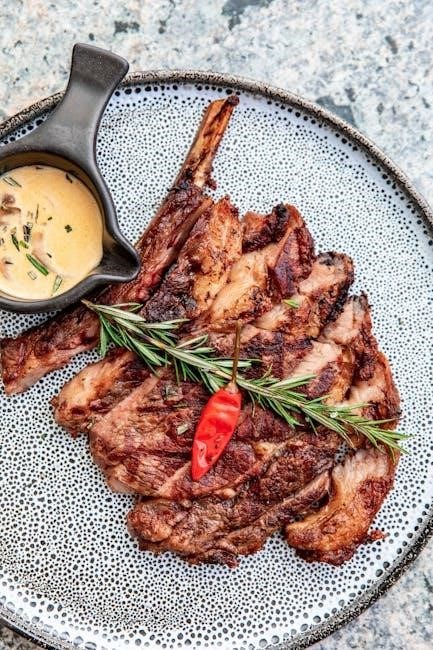
A medium steak offers a comforting compromise, featuring a warm, pink center that appeals to a broad range of palates. It strikes a balance between tenderness and a more thoroughly cooked texture, making it a reliable choice for those who prefer less redness than medium-rare. The exterior should exhibit a robust sear, contributing to a flavorful experience.
Typically cooked to an internal temperature of 140-150°F (60-66°C), medium steak presents a noticeable pink hue throughout the majority of the cut, fading to brown closer to the edges. This doneness level works well with various cuts, including sirloin and tenderloin, delivering a juicy and satisfying bite. It’s a safe and widely accepted preference for many steak lovers.
Medium-Well: Slightly Pink Center
Ordering a medium-well steak indicates a preference for a cut that’s mostly cooked through, retaining only a subtle hint of pink in the very center. This doneness level appeals to diners who desire a firmer texture and a more developed flavor profile, while still wanting some residual moisture. It’s a step closer to well-done, but avoids the potential dryness associated with fully cooked beef.
Generally reaching an internal temperature of 150-160°F (66-71°C), a medium-well steak will exhibit a significantly reduced pink area, primarily concentrated in a small core. While still potentially juicy, it’s important to note that this level of doneness can diminish some of the tenderness inherent in premium cuts. It’s a good option for those who are cautious about consuming rarer beef.
Well-Done: No Pink
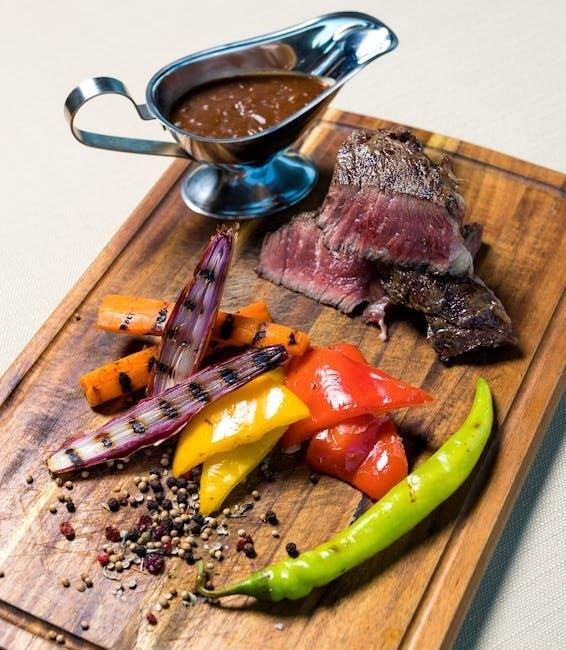
A well-done steak signifies a complete cook throughout, with absolutely no visible pink remaining in the center. Reaching an internal temperature of 160°F (71°C) and above, this level is favored by those who prioritize thorough cooking and a firm, consistent texture. However, it’s crucial to acknowledge that extended cooking can significantly reduce the steak’s natural juices, potentially resulting in a drier, less tender experience.
While some steak aficionados may discourage ordering well-done, particularly for premium cuts, it remains a valid preference. Chefs often recommend choosing cuts with inherent marbling to mitigate potential dryness. It’s important to communicate this preference clearly to your server to ensure the steak is cooked to your exact liking, understanding that it will lack the nuanced flavors of rarer preparations.
Ordering Steak at a Restaurant
Successfully ordering steak at a restaurant involves clear communication and understanding key terminology. Begin by specifying your preferred cut – ribeye, New York strip, filet mignon, or others – referencing the menu’s descriptions. Don’t hesitate to ask your server for recommendations based on your flavor preferences and desired level of tenderness.
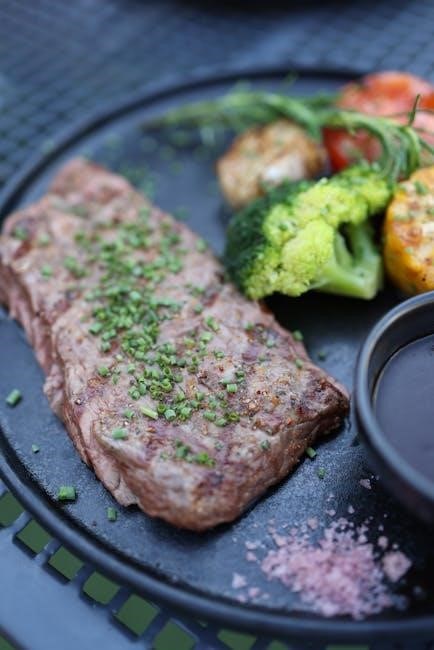
Crucially, communicate your desired doneness level (rare, medium-rare, etc.) with precision. Be specific; avoid vague terms. Furthermore, inquire about available sides and sauces to complement your steak. Many restaurants offer a variety of options, from classic mashed potatoes to flavorful compound butters. Don’t be afraid to customize your order to create a truly satisfying meal. A well-articulated order ensures a delightful dining experience.
Specifying Your Preferred Cut
When specifying your preferred cut, remember that each offers a unique experience. Prime cuts like ribeye, known for its rich marbling, deliver exceptional flavor. The New York strip provides a firm texture and robust taste, while filet mignon is prized for its tenderness. Consider the porterhouse or T-bone for a combination of both strip and filet.
Loin cuts generally offer a balance of tenderness and flavor. If you’re exploring less tender options, like round cuts, understand they benefit from specific cooking methods. Don’t hesitate to ask your server about the characteristics of each cut; they can guide you based on your preferences. Knowing the origin, like Angus beef, can also influence your choice, ensuring a satisfying steak experience.
Communicating Your Desired Doneness
Clearly communicating your desired doneness is crucial for steak satisfaction. Understand the spectrum: rare features a cool, red center, while medium-rare boasts a warm, red center. Medium presents a warm, pink center, and medium-well offers a slightly pink hue. Well-done signifies no pink remaining.
Don’t be afraid to be specific! While terms like “medium” are common, describing your preference – “slightly pink in the middle” – can minimize ambiguity. Remember that carryover cooking will continue after the steak is removed from the heat, so consider ordering slightly under your ideal doneness. A knowledgeable server can also offer recommendations based on the cut you’ve chosen, ensuring a perfectly cooked steak tailored to your taste.
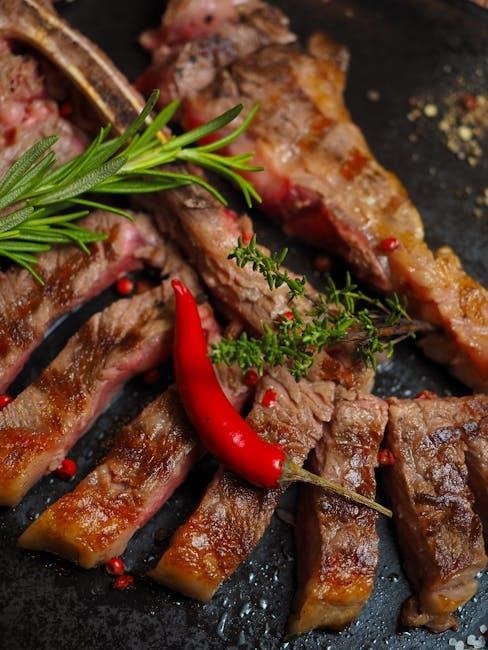
Requesting Sides and Sauces
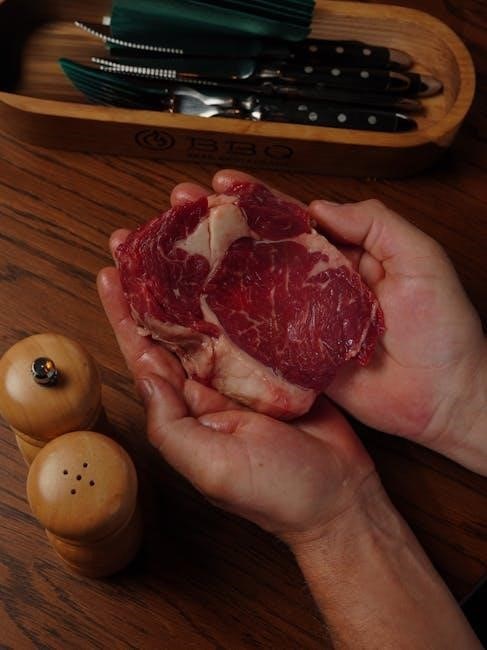
Elevate your steak experience by thoughtfully selecting sides and sauces. Classic pairings include mashed potatoes, roasted vegetables, or a crisp salad, complementing the richness of the beef. Don’t hesitate to inquire about seasonal options or chef’s recommendations for a unique touch.
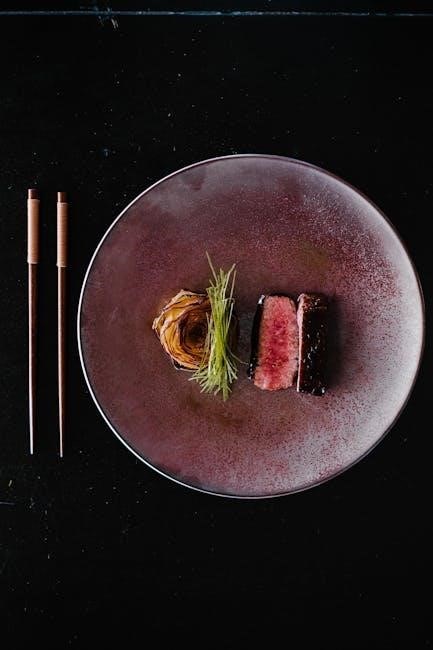
Sauces can further enhance the flavor profile. Popular choices range from traditional béarnaise or peppercorn sauce to bolder options like chimichurri or a red wine reduction. Consider the cut of steak when choosing a sauce; a delicate filet mignon pairs well with lighter sauces, while a robust ribeye can handle more intense flavors. Feel free to ask for sauces on the side to control the intensity and customize each bite to your preference.
Enhancing Your Steak Experience
Truly appreciating steak goes beyond the cut and cook; it’s about understanding quality indicators. Marbling – the intramuscular fat – is crucial, contributing significantly to flavor and tenderness. More marbling generally equates to a more succulent and flavorful steak, melting during cooking and basting the meat from within.
Exploring different beef types unlocks new dimensions of taste. Angus beef, known for its superior marbling, is a popular choice. However, consider venturing into the realm of Kobe beef from Japan, famed for its exceptional tenderness and rich flavor, often attributed to unique farming practices, including massaging the cattle. These factors contribute to a truly unforgettable steak experience, elevating a simple meal into a culinary delight.
The Importance of Marbling
Marbling, the flecks of intramuscular fat within the muscle tissue, is paramount to a superior steak experience. It’s not merely fat; it’s a flavor carrier and a tenderness enhancer. During cooking, this fat renders, basting the steak from the inside, resulting in exceptional juiciness and a rich, buttery flavor profile.
Steaks with abundant marbling, like ribeyes, are prized for their tenderness and flavor. Conversely, leaner cuts, lacking significant marbling, can become dry and tough if not prepared carefully. The degree of marbling is a key factor in grading beef, with higher grades indicating greater marbling and, consequently, higher quality. Understanding marbling empowers you to select a steak that promises a truly satisfying culinary experience.
Exploring Different Beef Types (Angus, Kobe)
Beyond the cut, the breed of cattle significantly impacts steak quality and flavor. Angus beef, renowned for its superior marbling, consistently delivers tender and flavorful steaks, making it a popular choice in restaurants and homes. It’s a breed specifically selected for its genetic predisposition to produce highly marbled meat.
Kobe beef, originating from Japan, represents the pinnacle of beef excellence. Raised with meticulous care, often including massage and a specialized diet (even sake!), Kobe beef boasts exceptional marbling and a melt-in-your-mouth texture. It’s considerably more expensive than Angus, representing a luxurious culinary indulgence. Exploring these different beef types allows you to tailor your steak selection to your preferences and budget.
Cooking Steak at Home
Achieving restaurant-quality steak at home is attainable with the right approach. Selecting a cooking method – grilling, pan-searing, or even air frying – depends on your preference and equipment. Grilling imparts a smoky flavor, while pan-searing creates a beautiful crust. Air frying offers a convenient, quicker alternative.
Seasoning is crucial; simple salt and pepper often suffice, but marinades can enhance flavor and tenderness, especially for leaner cuts. Regardless of the method, allowing the steak to rest after cooking is paramount. This allows the juices to redistribute, resulting in a more tender and flavorful steak. Mastering these techniques unlocks a satisfying culinary experience.
Choosing the Right Cooking Method (Grilling, Pan-Searing, Air Frying)
Selecting the ideal cooking method hinges on desired results and available tools. Grilling delivers a classic smoky flavor, best suited for thicker cuts like ribeye or porterhouse, utilizing direct or indirect heat. Pan-searing, employing a hot skillet and oil, creates a magnificent crust, ideal for thinner cuts like New York strip or filet mignon.
Air frying emerges as a modern, convenient option, offering quicker cooking times and requiring less oil. It’s surprisingly effective for achieving a decent sear, particularly with smaller steaks. Each method requires attention to temperature and timing, but ultimately, personal preference dictates the best approach for your perfect steak.
Seasoning and Marinades
Elevating steak flavor begins with proper seasoning; Simple is often best – coarse salt and freshly ground black pepper applied generously before cooking enhance the natural beef taste. For tougher cuts, like those from the round, marinades become invaluable. They tenderize the meat by breaking down connective tissues, while simultaneously infusing flavor.
Marinades typically combine an acid (vinegar, citrus juice), oil, and aromatics (garlic, herbs). However, avoid prolonged marinating, as it can make the steak mushy. A shorter marinade, even just 30 minutes, can significantly improve texture and taste. Remember, seasoning and marinades are crucial for transforming even economical cuts into culinary delights.
Resting Your Steak for Optimal Juiciness
Perhaps the most overlooked step in steak preparation is resting. After cooking, the steak’s muscle fibers contract, squeezing out juices. Allowing the steak to rest allows these juices to redistribute throughout the meat, resulting in a significantly more tender and flavorful experience. Cover loosely with foil – tightly wrapping will steam the steak and soften the crust.
Resting time varies based on size; a general rule is 5-10 minutes for smaller cuts, and up to 15 minutes for larger ones. Resist the urge to cut into it immediately! This crucial pause ensures every bite is bursting with savory goodness, maximizing the enjoyment of your perfectly cooked steak. Patience truly is a virtue when it comes to steak.
Understanding Steak Terminology
Decoding steak terminology enhances your ordering and cooking confidence. “Primal cuts” refer to the large sections of the animal – chuck, rib, loin, round – while “retail cuts” are the individual steaks we purchase, like ribeye or sirloin. Knowing this distinction helps understand where your steak originates.
Aging also impacts flavor and tenderness. “Dry-aged” steak is hung to dry for weeks, concentrating flavor but also being more expensive. “Wet-aged” steak is vacuum-sealed, a more common and affordable process. Understanding these terms allows informed choices. Familiarizing yourself with these definitions will elevate your steak knowledge and appreciation, leading to a more satisfying culinary journey.
Primal Cuts vs. Retail Cuts
Understanding the difference between primal and retail cuts is fundamental to steak appreciation; Primal cuts – chuck, rib, loin, round, brisket, plate, flank, and short loin – represent the large anatomical divisions of the animal. These are rarely sold directly to consumers.
Retail cuts, however, are the portions we recognize and purchase: ribeye, New York strip, tenderloin, sirloin, and round steak. These are fabricated from the primal cuts. Knowing a ribeye comes from the rib primal, for example, provides insight into its characteristics. This knowledge empowers you to make informed decisions, appreciating how the origin influences tenderness and flavor, ultimately enhancing your steak experience.
Dry-Aged vs. Wet-Aged Steak
Aging significantly impacts steak flavor and tenderness. Dry-aging involves storing beef in a controlled environment, allowing moisture to evaporate and enzymes to break down muscle fibers. This concentrates flavor, resulting in a robust, almost nutty profile, and exceptional tenderness – a premium experience.
Wet-aging, conversely, seals the beef in vacuum packaging, retaining moisture. While it tenderizes the meat, it doesn’t develop the same intense, complex flavors as dry-aging. Wet-aged steak is more common due to its efficiency and lower cost. When ordering, inquire about the aging process; dry-aged steaks often command a higher price, reflecting their superior quality and unique taste.