Self-guided home tours are rapidly gaining traction, offering a flexible and convenient approach to property viewings for prospective buyers and renters alike.
Driven by technological advancements and a desire for increased autonomy, these tours empower individuals to explore properties at their own pace and schedule.
Platforms like Tour24 and initiatives from Zillow demonstrate the growing acceptance and implementation of this innovative method within the real estate landscape.
The Rise of Self-Guided Tours
The evolution of self-guided tours is deeply rooted in the changing expectations of modern consumers and accelerated by recent global events, notably the COVID-19 pandemic. Prior to 2020, traditional, agent-led showings were the norm, but the need for social distancing and remote accessibility spurred innovation.
Early adopters, like Bermuda Smart Tours, began developing applications to facilitate independent property exploration. This shift coincided with advancements in smart lock technology and mobile applications, creating a secure and convenient framework for unattended access. The real estate industry quickly recognized the potential benefits, with companies like Birge & Held actively embracing these technologies as foundational to success.

Furthermore, the increasing popularity of virtual tours – including 3D models – paved the way for self-guided options, allowing potential buyers to pre-screen properties remotely before committing to an in-person visit. As of February 7, 2026, this trend continues to gain momentum, reshaping the home touring experience.
Benefits for Buyers and Renters

Self-guided tours offer significant advantages to those seeking new homes or rental properties. The primary benefit is flexibility; prospective tenants and buyers can schedule viewings at times that suit their individual needs, eliminating the constraints of agent availability. This convenience is particularly valuable for individuals with busy schedules or those living remotely.
Moreover, self-guided tours allow for a more relaxed and unhurried exploration of the property. Individuals can focus on areas of particular interest and spend as much time as needed evaluating the space without feeling pressured. The ability to revisit properties multiple times independently is another key advantage.
Furthermore, the integration of virtual tours, like digital twins, allows potential renters to gain a comprehensive understanding of the property before even stepping inside, potentially leading to faster decision-making and reduced wasted time.
Advantages for Real Estate Professionals
Self-guided tours present compelling benefits for real estate professionals seeking to streamline their operations and enhance client service. By automating the initial viewing process, agents can significantly reduce their time commitment per property, allowing them to focus on higher-value tasks like negotiations and client relationship management.
This efficiency translates to increased productivity and the potential to manage a larger portfolio of listings. Platforms like Tour24 facilitate secure access and verification, minimizing risks associated with unattended showings. Kory Nelson of Birge & Held emphasizes that adopting this technology is “foundational to success” in today’s market.
Furthermore, self-guided tours can broaden property exposure, as potential buyers and renters can easily access viewings outside of traditional business hours. Data suggests properties with 3D tours experience faster rental times, demonstrating the value of these digital tools.

Technology Enabling Self-Guided Tours
Smart lock integration, mobile applications, and virtual tours are pivotal in facilitating self-guided experiences. These technologies ensure secure access and convenient scheduling for potential renters.
Digital twins and 3D tours, as seen with Zillow’s pilots, are transforming remote viewing capabilities and accelerating the rental process.
Smart Lock Integration and Access Control
Smart lock technology is fundamentally reshaping access control for self-guided home tours, providing a secure and streamlined experience for both property owners and prospective renters. These systems eliminate the need for physical key exchanges, a significant convenience factor in today’s fast-paced environment.
Tour24, for example, utilizes secure verification processes to grant temporary access codes to pre-approved individuals, ensuring only qualified potential tenants can enter the property. This verification often involves identity checks and scheduling confirmations through their mobile application.
Beyond simple access, smart locks often provide detailed audit trails, recording entry and exit times for enhanced security and accountability. This data can be invaluable for property managers and owners, offering peace of mind and a clear record of all tour activity. Kory Nelson of Birge & Held emphasizes that choosing the right technology is no longer optional, but foundational to success in modern property management.
Furthermore, integration with tour scheduling platforms allows for automated access code generation and revocation, minimizing administrative overhead and maximizing efficiency.
Mobile Applications for Tour Scheduling
Mobile applications are central to the functionality of modern self-guided home tours, acting as the primary interface for scheduling, verification, and access management. These apps empower potential renters and buyers with unprecedented control over their viewing experience.
Platforms like Tour24 offer dedicated mobile apps that allow users to browse available properties, select preferred tour times, and complete identity verification processes – all from their smartphones. This eliminates the back-and-forth communication often associated with traditional scheduling.
Zillow’s pilot program for self-guided tours also relies heavily on a mobile app, demonstrating the industry’s recognition of this technology’s potential. These applications often integrate with smart lock systems, automatically generating and delivering unique access codes upon successful verification.
Beyond scheduling and access, many apps provide additional features such as property information, virtual tour links, and direct communication channels with property managers, creating a comprehensive and user-friendly touring experience.
Virtual Tour Integration (3D Tours & Video Walkthroughs)
Virtual tour integration, encompassing both 3D tours and video walkthroughs, significantly enhances the self-guided home touring experience, acting as a crucial pre-screening tool and supplementing in-person visits. These technologies allow potential buyers and renters to remotely explore properties, gaining a comprehensive understanding of the layout and features.
Data from 2025 indicates that individuals were more inclined to consider making an offer on a home sight unseen if a detailed 3D tour was available, highlighting the growing trust in these digital representations.
These virtual tours aren’t merely static images; they offer interactive exploration, allowing users to navigate through the property as if they were physically present. Video walkthroughs provide a more dynamic perspective, often narrated by a real estate professional.
Integrating these virtual options into self-guided tour platforms streamlines the process, reducing unnecessary in-person showings and allowing interested parties to focus on properties that genuinely meet their needs.

Popular Platforms and Applications

Several platforms are leading the charge in self-guided tours, including Tour24, known for secure property access. Zillow is also piloting related apps, while Routzz focuses on sustainable touring.
Tour24: A Leading Self-Guided Tour Platform
Tour24 has established itself as a prominent player in the self-guided tour space, streamlining the rental process for both property managers and prospective tenants. The platform’s core functionality revolves around providing secure and convenient access to properties, eliminating the traditional scheduling constraints associated with agent-led showings.

Through a robust verification process, Tour24 ensures only qualified individuals gain access, mitigating security concerns. Users can independently schedule tours at times that best suit their availability, even outside of standard business hours. This flexibility is a significant draw for busy renters.
The platform’s appeal extends to property professionals, offering a more efficient method for showcasing properties and accelerating the leasing cycle. Tour24 facilitates unattended showings of new construction homes and rentals, reducing the workload on leasing teams. It’s designed to make renting a home easier and faster for everyone involved, leveraging technology to enhance the overall experience.
Zillow and Self-Guided Tour Pilots
Zillow has been actively exploring the integration of self-guided tour technology, recognizing its potential to revolutionize the home-buying experience. As early as March 21, 2019, the company initiated pilot programs centered around a mobile application designed to facilitate independent property viewings.
This initiative aimed to remove the reliance on traditional agent-led tours, granting prospective buyers greater control and convenience. The app allowed users to access properties without the immediate need for an agent’s presence, streamlining the initial exploration phase.
Furthermore, data suggests a strong correlation between 3D tours and buyer confidence; individuals were more willing to consider making an offer on a home sight unseen if a detailed 3D tour was available. Zillow’s experiments demonstrate a commitment to leveraging digital tools to enhance accessibility and accelerate the home-buying process, potentially leading to faster time-to-rent and increased efficiency.
Routzz: Focusing on Outdoor and Sustainable Tours
Routzz distinguishes itself within the self-guided tour landscape by concentrating on outdoor experiences and promoting sustainable travel practices. While not exclusively focused on homes, their technology demonstrates the broader applicability of self-guided tours beyond traditional real estate.
The company develops mobile applications that empower users to explore destinations independently, prioritizing community support and environmental stewardship. This approach resonates with a growing segment of travelers seeking authentic and responsible tourism options.
Routzz’s model highlights the potential for self-guided tours to extend beyond property viewings, encompassing walking tours of cities like Louisville, Kentucky, and various outdoor adventures. By leveraging technology to create accessible and eco-conscious experiences, Routzz exemplifies a forward-thinking approach to tour management and destination exploration, showcasing the versatility of the self-guided concept.
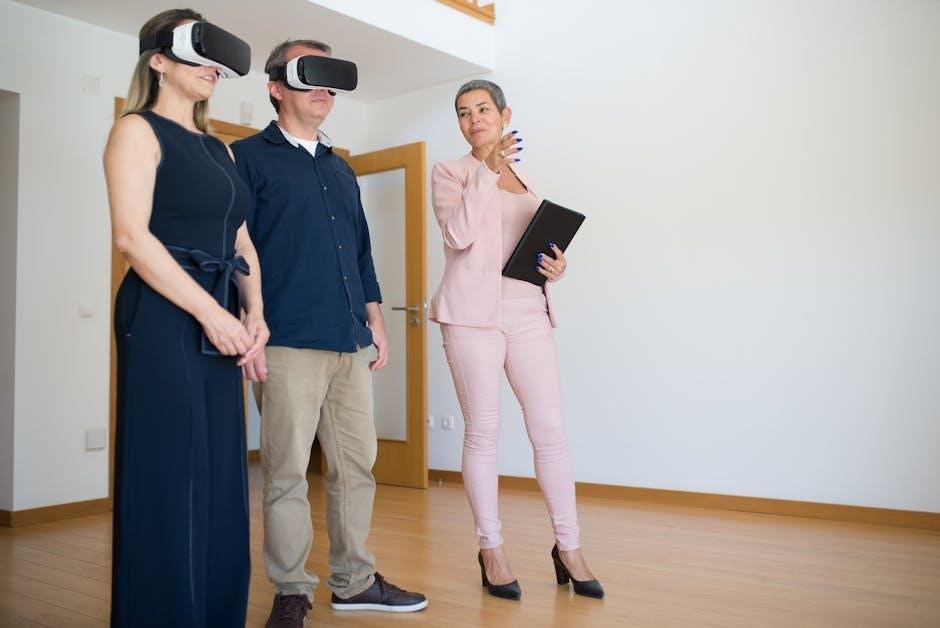
Implementing a Successful Self-Guided Tour System
Successful implementation requires careful property preparation, robust security measures for access control, and targeted marketing to attract potential clients seeking convenient viewings.
Property Preparation for Self-Guided Viewings
Meticulous preparation is paramount for a positive self-guided tour experience. Properties must be thoroughly cleaned and decluttered, presenting a welcoming and move-in ready aesthetic.
Ensure all lights are functioning and strategically positioned to maximize brightness, even during daylight hours. Remove any personal items or valuables to enhance security and allow potential buyers or renters to envision themselves in the space.
Clearly label key features – such as smart home integrations or energy-efficient appliances – with concise, informative signage.
Consider a staged environment, subtly showcasing the potential of each room.
Verify that all doors and windows are securely locked, except those designated for tour access. A well-prepared property demonstrates respect for prospective viewers and significantly increases the likelihood of a favorable impression, ultimately streamlining the rental or sales process.
Security Considerations and Verification Processes
Robust security measures are crucial when implementing self-guided home tours. Platforms like Tour24 prioritize secure verification to mitigate risks. This typically involves identity verification, background checks, and potentially, credit score assessments.
Smart lock integration, coupled with unique access codes generated for each tour, provides controlled entry and exit. Real-time monitoring capabilities, where available, offer an added layer of security.
It’s essential to clearly communicate security protocols to prospective viewers, outlining expectations regarding property respect and prohibited activities.
Consider implementing video surveillance in common areas, with appropriate disclosures.
Regularly audit access logs and promptly address any security concerns. A comprehensive verification process and diligent security protocols are vital for protecting both the property and potential renters/buyers, fostering trust and confidence in the self-guided tour system.
Marketing Self-Guided Tours to Potential Clients
Effectively marketing self-guided tours requires highlighting the convenience and flexibility they offer. Emphasize the ability to view properties on their schedule, a significant advantage for busy clients.
Showcase the technology – smart lock access, mobile app scheduling – as modern and efficient. Use compelling visuals, including screenshots of the tour app and property walkthroughs.
Promote the safety and security measures in place, reassuring potential viewers. Highlight the verification processes that ensure responsible touring.
Leverage social media, email marketing, and property listing descriptions to announce the availability of self-guided tours.
Position self-guided tours as a premium service, demonstrating a commitment to innovation and client satisfaction. Clearly communicate how to schedule a tour, making the process seamless and user-friendly. A well-executed marketing strategy will drive adoption and generate qualified leads.

The Future of Home Touring
The future envisions AI assistance, digital twin integration for remote viewing, and wider adoption of self-guided tours, accelerating rental processes and enhancing property exploration.
Impact of Digital Twins on Remote Viewing
Digital twins are poised to revolutionize how prospective renters and buyers experience properties remotely, significantly impacting the self-guided tour landscape. These virtual replicas, mirroring a physical space in detail, allow for immersive exploration without the constraints of location or time. As of September 18, 2025, data suggests individuals were more inclined to consider a home sight unseen if a detailed 3D tour – a foundational element of digital twin technology – was available.
This technology transcends simple virtual tours, offering interactive elements and detailed visualizations. Potential renters can virtually “walk” through a property, examine finishes, and even assess spatial arrangements. The integration of digital twins streamlines the initial screening process, reducing the need for numerous in-person viewings and accelerating the time-to-rent by as much as 30 days, according to recent findings.
Furthermore, digital twins facilitate remote staging and customization, allowing potential buyers to visualize the property with their own furnishings and décor. This level of personalization enhances engagement and fosters a stronger emotional connection, ultimately driving decision-making in the self-guided tour process.
AI-Powered Assistance During Self-Guided Tours
The integration of Artificial Intelligence (AI) promises to elevate the self-guided tour experience, transforming it from a solitary exploration into an interactive and informative journey. Imagine AI-powered chatbots available 24/7 to answer questions about the property, neighborhood amenities, or the leasing process – all accessible via a mobile application during the tour.
AI can personalize the tour based on user preferences, highlighting features most relevant to their needs and lifestyle. For example, an AI could focus on showcasing home office spaces for remote workers or outdoor areas for pet owners. Beyond answering queries, AI can provide contextual information about specific features as a user virtually or physically explores them.
Furthermore, AI-driven analytics can gather valuable data on user behavior during tours, providing real estate professionals with insights into which property features generate the most interest. This data-driven approach allows for continuous optimization of property presentation and marketing strategies, ultimately enhancing the effectiveness of self-guided tours.
Trends in Self-Guided Tour Adoption (as of 02/07/2026)
As of February 7th, 2026, self-guided tour adoption continues its upward trajectory, fueled by consumer demand for convenience and technological advancements. We’re seeing a significant increase in properties utilizing smart lock integration and mobile application scheduling, streamlining access and tour management.

Notably, the integration of digital twins – detailed 3D models of properties – is becoming increasingly prevalent, with studies showing potential renters are more comfortable committing to a lease sight unseen if a high-quality digital twin is available. This trend is accelerating time-to-rent by approximately 30 days.
Platforms like Tour24 are leading the charge, providing secure verification processes and user-friendly interfaces. Furthermore, a growing emphasis on sustainable touring, exemplified by Routzz, indicates a shift towards eco-conscious property exploration. Louisville’s launch of self-guided walking tours also demonstrates expansion beyond traditional residential real estate.