Plastics are ubiquitous materials, essential in modern life, yet understanding their types and impact requires a detailed guide. This resource explores plastic identification,
recycling, and emerging technologies for monitoring plastic pollution, offering a comprehensive overview for informed decision-making.
What are Plastics?
Plastics are a vast family of synthetic or semi-synthetic materials, composed of polymers – large molecules built from repeating structural units called monomers. These versatile materials exhibit a remarkable range of properties, making them suitable for countless applications. They are generally lightweight, durable, and resistant to corrosion, offering cost-effective solutions across diverse industries.
Unlike metals or natural materials, plastics can be molded, extruded, or pressed into various shapes, allowing for complex designs and customized functionalities. Their ability to be easily processed and modified contributes to their widespread adoption. However, this very versatility also presents challenges regarding identification and recycling. Understanding the chemical composition and physical characteristics of different plastic types is crucial for effective waste management and sustainable practices. The plastic identification chart is a valuable tool.
Essentially, plastics are materials that can be formed into different shapes while soft and then retain that shape as they cool.
History of Plastic Development
The story of plastics began in the mid-19th century with the development of Parkesine, created by Alexander Parkes from cellulose. However, it was Leo Baekeland’s invention of Bakelite in 1907 – the first truly synthetic plastic – that marked a pivotal moment. Bakelite, a thermosetting phenol formaldehyde resin, offered exceptional electrical insulation and heat resistance, fueling early industrial applications.
The 20th century witnessed rapid innovation, driven by wartime needs and consumer demand. Polyethylene (PE) was discovered in 1933, followed by Polyvinyl Chloride (PVC) and Polystyrene (PS). Post-World War II, plastic production exploded, transforming packaging, construction, and everyday life. The introduction of Polyethylene Terephthalate (PET) in 1973 revolutionized the beverage industry.
This evolution continues today, with ongoing research focused on biodegradable plastics and improved recycling technologies, aiming to address the environmental concerns associated with plastic waste. The plastic identification guide became essential.
Understanding Plastic Types & Identification
Identifying plastic types is crucial for proper recycling and understanding material properties. The Resin Identification Code (RIC) system, alongside advanced technologies, aids in accurate plastic categorization;
The Resin Identification Code (RIC) System
The Resin Identification Code (RIC), often found as a number within a chasing arrows symbol on plastic products, is a crucial system for categorizing different plastic types. Developed by the Society of the Plastics Industry (SPI) in 1988, it doesn’t guarantee recyclability, but rather helps sorting facilities identify the resin content.
Each number, from 1 to 7, corresponds to a specific plastic resin. Understanding these codes is the first step towards responsible plastic management. While some plastics, like #1 PET and #2 HDPE, are widely recycled, others, such as #3 PVC and #7 Other, face significant recycling challenges.
The RIC system facilitates the separation of plastics during the recycling process, improving the quality of recycled materials. However, local recycling capabilities vary, so checking with your local facility is always recommended. It’s a valuable tool for consumers and recyclers alike, promoting a more circular economy for plastic materials.
Detailed Breakdown of Plastic #1: PET (Polyethylene Terephthalate)
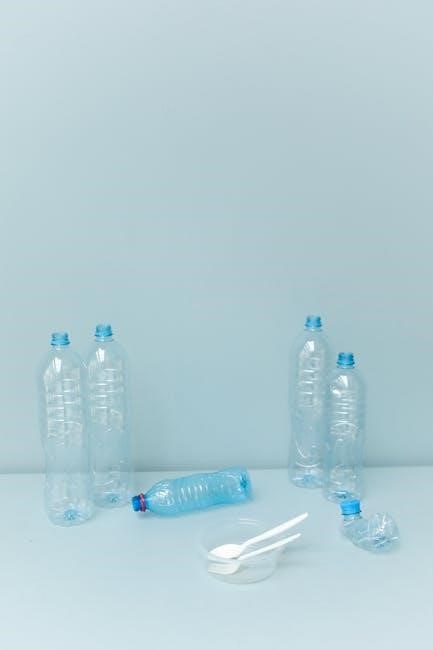
PET (Polyethylene Terephthalate), identified by the #1 RIC code, is a clear, tough, and widely used thermoplastic polymer. Commonly found in beverage bottles, food containers, and packaging trays, PET boasts excellent strength and clarity. It’s favored for its ability to prevent oxygen from getting in and moisture from getting out, preserving contents effectively.
PET is highly recyclable and often transformed into new bottles, fleece clothing, carpet fibers, and strapping. Its recyclability makes it a relatively environmentally friendly plastic option. However, repeated recycling can degrade the material, limiting the number of times it can be repurposed.
When repairing PET, soldering is not recommended; instead, consider adhesives designed for plastics. Understanding PET’s properties and recyclability is vital for responsible consumption and waste management, contributing to a more sustainable future.
Detailed Breakdown of Plastic #2: HDPE (High-Density Polyethylene)
HDPE (High-Density Polyethylene), marked with the #2 Resin Identification Code, is known for its strength-to-density ratio and resistance to chemicals. This opaque plastic is commonly used for milk jugs, detergent bottles, shampoo containers, and rigid pipes. Its robust nature makes it suitable for applications requiring durability and impact resistance.
HDPE is readily recyclable and often repurposed into items like plastic lumber, drainage pipes, and recycling bins. It’s considered one of the safest plastics, with a low risk of leaching harmful chemicals. However, proper cleaning is crucial before recycling to avoid contamination.
Repairing HDPE typically involves plastic welding or specialized adhesives. Understanding its properties and recyclability promotes responsible plastic usage and contributes to a circular economy, minimizing environmental impact.
Detailed Breakdown of Plastic #3: PVC (Polyvinyl Chloride)
PVC (Polyvinyl Chloride), identified by the #3 RIC, is a versatile plastic known for its durability and resistance to chemicals and weathering. Commonly found in pipes, window frames, flooring, and medical tubing, PVC exists in both rigid and flexible forms, achieved through the addition of plasticizers.
However, PVC presents recycling challenges due to its chemical composition and the presence of additives. While recyclable, its recycling rate is lower compared to #1 and #2 plastics. Concerns exist regarding the release of dioxins during production and incineration, prompting careful handling and disposal.
Repairing PVC often requires specialized PVC cement or welding techniques. Due to environmental concerns, exploring alternatives to PVC is increasingly encouraged, promoting sustainable material choices and reducing potential health risks.
Detailed Breakdown of Plastic #4: LDPE (Low-Density Polyethylene)
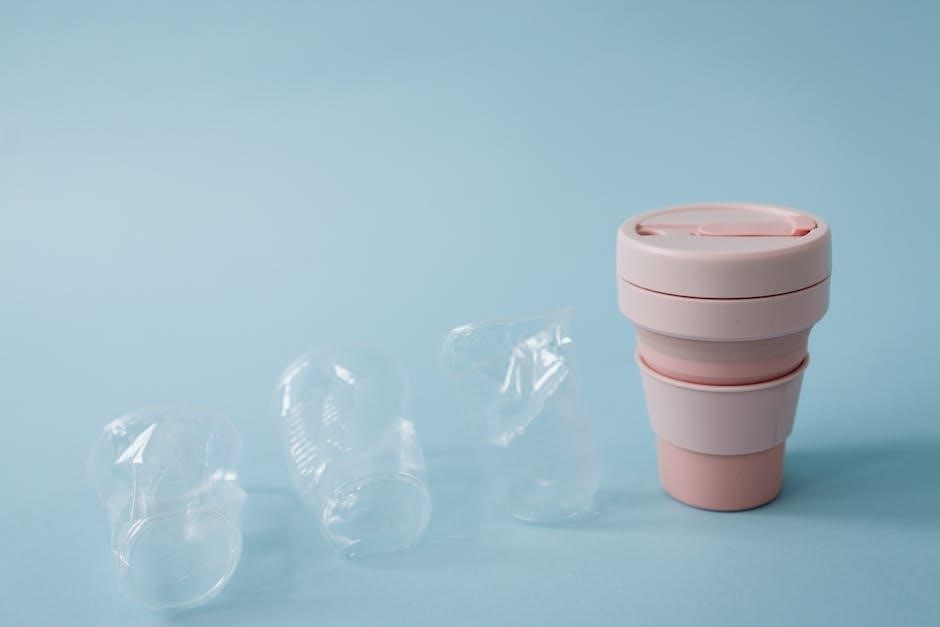
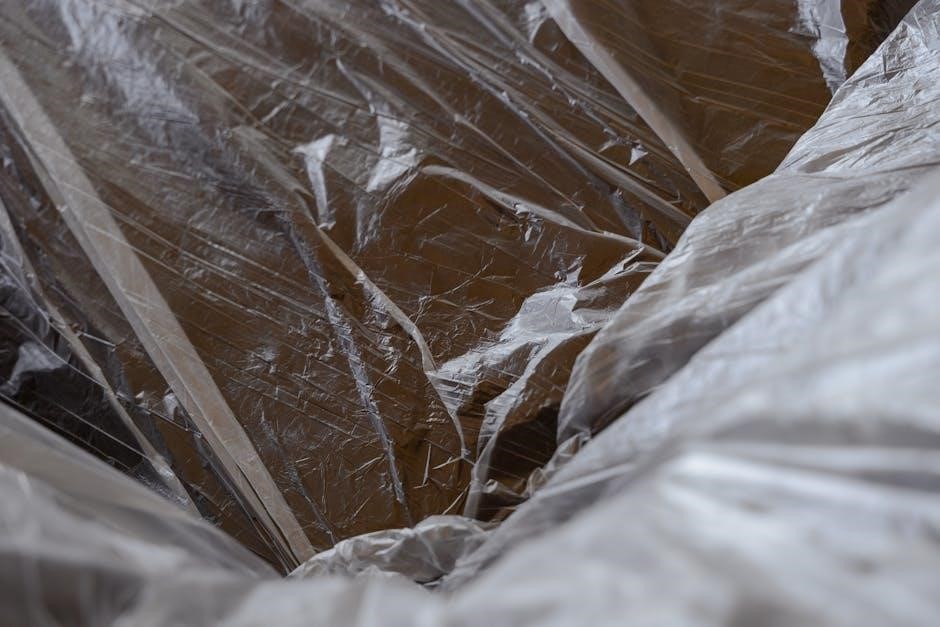
LDPE (Low-Density Polyethylene), marked with the #4 Resin Identification Code, is a flexible plastic widely used in applications requiring pliability and sealing capabilities. Common examples include plastic bags, squeeze bottles, cling wrap, and some lids. Its lower density results in greater flexibility compared to HDPE.
LDPE is considered relatively safe for food storage, but its recycling rate remains moderate. While technically recyclable, collection programs often don’t accept it due to sorting difficulties and limited market demand. Film LDPE, like plastic bags, often requires specialized recycling facilities.
Repairing LDPE is challenging due to its low surface energy, making adhesion difficult. Heat sealing is a common joining method. Choosing reusable alternatives to LDPE products is a proactive step towards reducing plastic waste.
Detailed Breakdown of Plastic #5: PP (Polypropylene)
Polypropylene (PP), identified by the #5 RIC, is a robust and versatile thermoplastic polymer. Known for its high chemical resistance, PP finds application in food containers, medicine bottles, straws, and automotive parts. It boasts a higher melting point than many other plastics, making it suitable for hot-fill applications.
PP is considered one of the safer plastics and has a relatively good recycling rate, though it varies geographically. It’s often used in products designed for reuse, contributing to waste reduction. However, proper sorting is crucial for effective recycling.
Bonding PP can be tricky; epoxy adhesives are often recommended for heavier repairs. PP’s strength and durability make it a valuable material, but mindful consumption and recycling are essential for minimizing its environmental impact.
Detailed Breakdown of Plastic #6: PS (Polystyrene)
Polystyrene (PS), marked with the #6 Resin Identification Code, exists in two primary forms: expanded polystyrene (EPS) – commonly known as Styrofoam – and general-purpose polystyrene. EPS is lightweight and excellent for insulation and protective packaging, while general-purpose PS is used in disposable cutlery and food containers.
Unfortunately, PS is notoriously difficult to recycle, and its low density makes transportation to recycling facilities costly. Consequently, it often ends up in landfills, contributing significantly to plastic pollution. It’s brittle and can break down easily into microplastics.
For repairs, specialized polystyrene cements are required. Due to its environmental concerns, reducing PS consumption and seeking alternatives are strongly encouraged. Choosing reusable options over disposable polystyrene products is a crucial step towards sustainability.
Detailed Breakdown of Plastic #7: Other Plastics (Including Polycarbonate & Acrylic)
Plastic #7 is a catch-all category for plastics not fitting into the first six classifications. This diverse group includes polycarbonate (PC), known for its strength and clarity – used in eyewear and electronics – and acrylic, valued for its transparency and weather resistance, often found in displays and lighting.
Other #7 plastics encompass materials like nylon and bioplastics. Recycling #7 plastics is particularly challenging due to the wide variety of compositions. Often, these plastics are not readily recyclable in many municipal programs.
Identifying the specific plastic within #7 is crucial for repair; epoxy or specialized adhesives are often needed. Reducing reliance on #7 plastics and supporting innovations in bioplastics and improved recycling technologies are vital for minimizing environmental impact.
Plastic Properties and Characteristics
Plastic materials exhibit varied properties like strength, specific gravity, and hardness, influencing their applications. Understanding these characteristics—tensile strength, modulus, and impact resistance—is crucial for material selection and analysis.
Comparing Plastic Strength & Durability
Plastic strength and durability are not uniform; they vary significantly based on the type of polymer and its composition. Tensile strength, measuring resistance to breaking under tension, differs greatly between materials like PET and PVC. PET, commonly used in bottles, exhibits good tensile strength, while PVC, used in pipes, prioritizes rigidity.
Durability, encompassing resistance to degradation from environmental factors like UV exposure and chemicals, also varies. Polypropylene (PP) demonstrates excellent chemical resistance, making it suitable for containers holding various substances. Polystyrene (PS), however, is more brittle and susceptible to cracking.
Furthermore, factors like temperature and stress concentration influence a plastic’s performance. Impact resistance, measured by Izod tests, indicates a material’s ability to withstand sudden shocks. Comparing specific gravity alongside strength data provides a comprehensive understanding of a plastic’s overall performance characteristics, crucial for selecting the appropriate material for a given application.
Specific Gravity and its Importance
Specific gravity, the ratio of a plastic’s density to that of water, is a crucial property for material selection and processing. It dictates whether a plastic will sink or float, impacting applications like marine components or packaging. Lower specific gravity plastics, like polyethylene (PE), are lightweight, ideal for reducing product weight and transportation costs.
Conversely, higher specific gravity plastics, such as polyvinyl chloride (PVC), are denser and offer increased rigidity. This property influences manufacturing processes; knowing specific gravity aids in calculating material volumes, determining molding parameters, and predicting buoyancy.
Furthermore, specific gravity is vital for plastic identification and sorting during recycling. It assists in separating different plastic types, improving the efficiency of the recycling process. Comparing specific gravity alongside other mechanical properties, like tensile strength, provides a holistic understanding of a material’s suitability for a specific application.
Plastic Recycling & Environmental Impact
Plastic recycling addresses pollution, but faces challenges. Understanding types and processes is key to minimizing environmental harm and promoting a circular economy for plastics.
Plastic Recycling Types & Processes
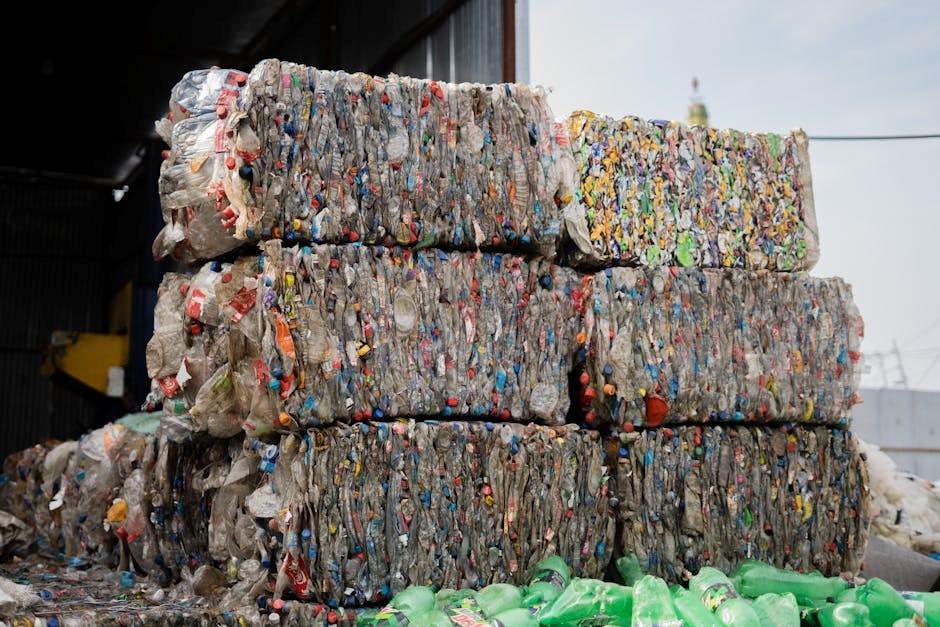
Plastic recycling isn’t a single process; several methods exist, each suited to different plastic types. Mechanical recycling, the most common, involves sorting, cleaning, and melting plastics into new products. This is effective for #1 PET and #2 HDPE, often used for bottles and containers.
Chemical recycling, a more advanced technique, breaks down plastics into their original monomers, allowing for the creation of virgin-quality plastic. This is crucial for plastics difficult to recycle mechanically, like mixed plastics or contaminated materials. However, it’s energy-intensive and still developing.
Energy recovery involves incinerating plastic waste to generate electricity, a controversial method due to emissions. Finally, primary recycling reuses plastic in its original form, like refillable bottles; Successful recycling relies on proper sorting by consumers and efficient processing facilities, ultimately reducing landfill waste and conserving resources.
The Challenges of Plastic Pollution
Plastic pollution presents a multifaceted global crisis. Its durability, while beneficial for product lifespan, translates to centuries of persistence in the environment. Accumulation in landfills strains capacity and releases harmful chemicals into soil and groundwater. More visibly, plastic debris litters landscapes and, critically, accumulates in oceans.
Marine plastic pollution threatens wildlife through entanglement and ingestion, disrupting ecosystems. Microplastics, resulting from the breakdown of larger pieces, enter the food chain, posing risks to both marine life and human health. Remote identification technologies, like hyperspectral Raman imaging lidar, are emerging to monitor this pollution effectively.
Addressing this requires systemic change – reducing plastic consumption, improving waste management infrastructure, and developing biodegradable alternatives. International cooperation and individual responsibility are vital to mitigate the escalating challenges of plastic pollution.
Advanced Plastic Identification Technologies
New technologies, such as hyperspectral Raman imaging lidar and SurveNIR systems, remotely identify plastic types, aiding pollution monitoring and material analysis for a sustainable future.
Hyperspectral Raman Imaging Lidar
Hyperspectral Raman Imaging Lidar represents a cutting-edge advancement in remote plastic identification, particularly crucial for addressing oceanic plastic pollution. This technology combines the strengths of lidar – Light Detection and Ranging – with Raman spectroscopy, a technique sensitive to the vibrational modes of molecules.
Unlike traditional methods requiring physical sample collection, this lidar system can remotely analyze the chemical composition of materials. By emitting laser pulses and analyzing the scattered light, it generates a hyperspectral “fingerprint” unique to each plastic type. This allows for the identification of various plastics, including PVC, ABS, polycarbonate, and acrylic, from a distance.
The resulting data provides detailed information about the type and distribution of plastics, enabling more effective monitoring and targeted cleanup efforts. This technology promises a significant leap forward in our ability to understand and mitigate the environmental impact of plastic waste.
SurveNIR Measuring System for Plastic Identification
The SurveNIR measuring system offers a robust solution for both plastic and paper material identification, leveraging chemometric analysis and comparison with extensive material databases. This technology is particularly valuable for quality control and sorting applications within recycling facilities and manufacturing processes.
SurveNIR utilizes near-infrared (NIR) spectroscopy to analyze the chemical composition of materials. By measuring the absorption and reflection of NIR light, the system generates a spectral signature unique to each type of plastic. This signature is then compared to a library of known plastic spectra, allowing for accurate and rapid identification.

The system’s capabilities extend beyond simple type identification; it can also assess material properties and detect contaminants. This detailed analysis ensures efficient sorting and processing of plastic waste, contributing to improved recycling rates and a circular economy.