Lebanon: A Comprehensive Guide
Discover Lebanon, a nation bridging continents with a rich, multicultural legacy and a history almost as old as civilization itself.
Explore its diverse landscapes, vibrant culture, and resilient spirit, offering an unforgettable journey for every traveler seeking adventure and insight.
Lebanon, officially the Lebanese Republic, is a captivating Middle Eastern nation nestled at the eastern edge of the Mediterranean Sea. This small, largely mountainous country boasts a remarkably diverse character, shaped by its strategic location as a historical crossroads. For millennia, Lebanon has connected the Mediterranean Basin with the vast Asian hinterland, fostering a uniquely cosmopolitan atmosphere.
Its heritage stretches back to the earliest evidence of humankind, resulting in a rich tapestry of cultural and religious influences. Throughout its history, Lebanon has experienced waves of foreign conquest – from the Romans and Arabs to the Ottomans and French – each leaving an indelible mark on its identity. Today, Lebanon stands as a testament to resilience, offering visitors a compelling blend of ancient history, breathtaking landscapes, and warm hospitality. Prepare to be enchanted by this jewel of the Middle East!
Historical Overview
Lebanon’s history is a compelling narrative spanning millennia, beginning with its ancient roots and the remarkable legacy of the Phoenicians, renowned seafarers and traders. Successive empires – Roman, Arab, and Ottoman – have all left their imprint on the land, shaping its cultural and political landscape. The region’s strategic importance consistently drew the attention of powerful forces.
Following World War I and the dissolution of the Ottoman Empire, Lebanon came under French mandate as part of Greater Lebanon. This period laid the groundwork for eventual independence, achieved in 1943. However, Lebanon’s path to stability has been fraught with challenges, including periods of civil strife and regional conflicts. Despite these hardships, the nation has persevered, safeguarding its unique identity and striving for a brighter future, built upon a foundation of ancient traditions and modern aspirations.
Ancient History & Phoenician Legacy
Lebanon boasts a heritage nearly as ancient as humankind itself, a testament to its enduring significance. The Phoenicians, originating from this land, were master mariners and traders who dominated the Mediterranean Sea for centuries. Their innovative alphabet, a precursor to many modern scripts, revolutionized communication and knowledge dissemination.
Phoenician city-states like Tyre and Sidon flourished as centers of commerce and culture, establishing colonies across the Mediterranean, from Carthage to Spain. They were skilled artisans, renowned for their purple dye, cedarwood, and glasswork. This legacy of trade and innovation profoundly impacted the ancient world. Even today, remnants of their magnificent cities and harbors stand as a powerful reminder of their ingenuity and influence, shaping the very foundations of Western civilization.
Roman, Arab & Ottoman Rule
Following the Phoenicians, Lebanon experienced successive periods of rule by powerful empires. The Romans conquered the region, leaving behind impressive architectural remnants like the Baalbek temples, showcasing their engineering prowess and artistic sensibilities. With the rise of Islam, Lebanon came under Arab control, becoming a significant center of learning and trade within the expanding Islamic world.
For centuries, the Ottoman Empire governed Lebanon, a period marked by relative stability but also by local autonomy under the Druze and Maronite communities. This era witnessed a complex interplay of Ottoman administration and local power structures. Despite Ottoman rule, Lebanon retained its distinct cultural identity and continued to serve as a crossroads for diverse influences, shaping its unique character and setting the stage for future transformations.
French Mandate & Independence
After World War I and the dissolution of the Ottoman Empire, Lebanon came under French mandate as part of Greater Lebanon, established in 1920. This period saw French administration and influence in political, educational, and cultural spheres, significantly shaping the nation’s institutions and infrastructure. The French mandate also fostered a sense of national identity among the diverse communities within Lebanon’s borders.
Following World War II, Lebanon gained its independence in 1943, marking a pivotal moment in its history. The National Pact, an unwritten agreement, established a power-sharing arrangement between different religious groups, aiming to maintain political stability in the newly independent nation. This delicate balance of power would become a defining feature of Lebanese politics, influencing its trajectory for decades to come, as it navigated the complexities of nation-building and regional dynamics.
Geography & Climate
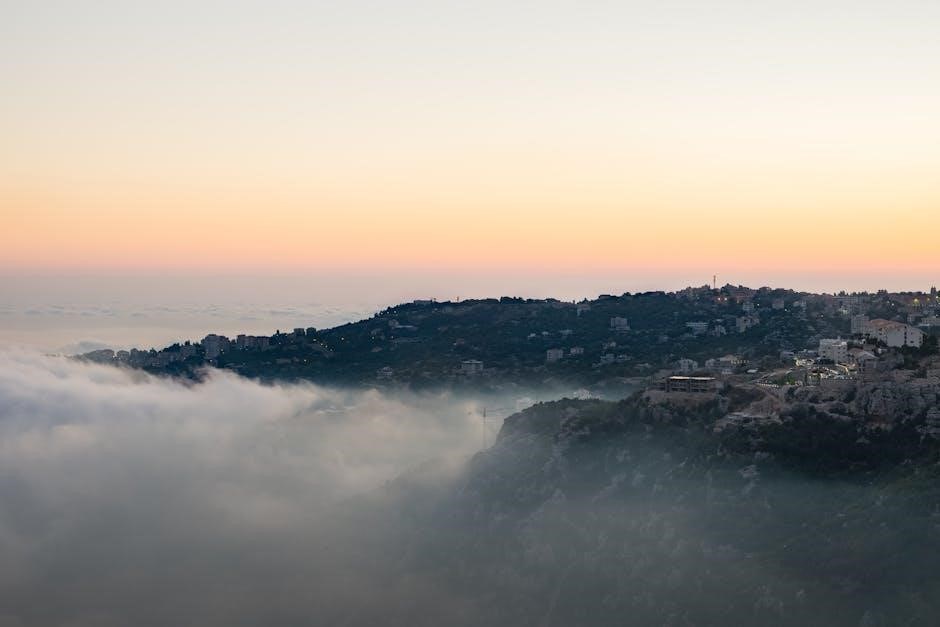
Lebanon, a small country nestled on the eastern edge of the Mediterranean Sea, boasts remarkably diverse geography within its limited area. Dominated by mountains – the Lebanon Mountains run the length of the country – it also features a narrow coastal plain, fertile valleys, and a plateau known as the Beqaa Valley. This varied terrain contributes to a stunning landscape, ranging from rugged peaks to lush greenery and sandy beaches.
The climate is typically Mediterranean, characterized by hot, dry summers and mild, wet winters. Seasonal variations are pronounced, with snow-capped mountains during winter and warm, sunny days throughout much of the year. This climate supports a rich biodiversity and makes Lebanon an attractive destination for outdoor activities, offering opportunities for skiing, hiking, and enjoying the coastal beauty.
Lebanon’s Diverse Landscapes
Lebanon’s compact size belies an astonishing variety of landscapes. The dominant feature is the Lebanon Mountain range, running north to south, offering breathtaking vistas and opportunities for winter sports. East of these mountains lies the Beqaa Valley, a fertile agricultural region, contrasting sharply with the rugged peaks.
Along the Mediterranean coast, a narrow coastal plain provides sandy beaches and bustling port cities. Further inland, rolling hills and picturesque villages dot the landscape. The country also features canyons, rivers, and waterfalls, adding to its natural beauty. This geographical diversity fosters a range of ecosystems, supporting unique flora and fauna. From the snow-covered mountains to the sun-drenched coastline, Lebanon’s landscapes are truly captivating and offer something for every nature enthusiast.
Mediterranean Climate & Seasons
Lebanon enjoys a typically Mediterranean climate, characterized by hot, dry summers and mild, wet winters. The seasons are distinctly defined, offering varied experiences throughout the year. Summers (June-September) are ideal for beach activities and exploring the coast, with temperatures often exceeding 30°C (86°F).
Autumn (October-November) brings pleasant temperatures and colorful foliage, perfect for hiking and sightseeing. Winters (December-February) are mild in coastal areas but can be cold and snowy in the mountains, attracting skiers and snowboarders. Spring (March-May) is a delightful time to visit, with blooming wildflowers and comfortable temperatures. Rainfall is concentrated during the winter months, contributing to the lush greenery. This climate supports a diverse range of agricultural products and contributes to Lebanon’s natural beauty.
Culture & Society
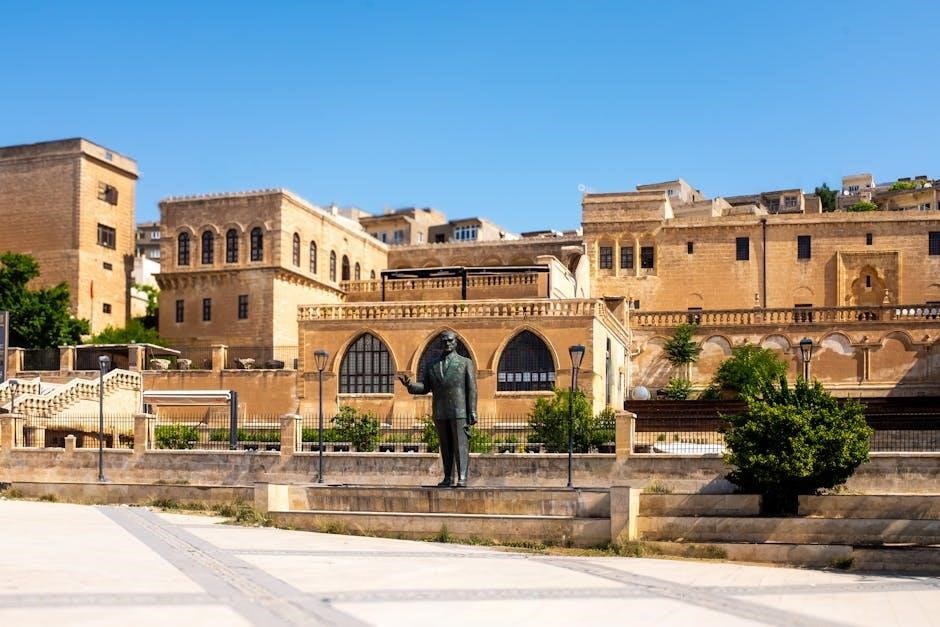
Lebanon’s culture is a captivating blend of Eastern and Western influences, reflecting its history as a crossroads of civilizations. This unique position fosters remarkable religious diversity, with significant populations of Muslims and Christians coexisting, though often with underlying tensions. Family and community are central to Lebanese society, emphasizing hospitality and strong social bonds.
Lebanese cuisine is world-renowned, offering a vibrant array of flavors and fresh ingredients – a true culinary journey. The arts flourish, with a thriving music scene, a rich literary tradition, and a growing contemporary art movement. Despite facing numerous challenges, Lebanon maintains a resilient spirit and a dedication to preserving its cultural heritage. This blend creates a dynamic and engaging social landscape for visitors to explore.
Religious Diversity in Lebanon
Lebanon stands out in the Middle East for its remarkable religious diversity, a defining characteristic shaped by centuries of interaction between different faiths. The country is home to significant populations of Muslims – primarily Shia and Sunni – and Christians, including Maronites, Orthodox, and Protestants. This complex tapestry reflects Lebanon’s history as a haven for various religious groups.
Historically, this diversity contributed to a unique cultural richness, but it has also been a source of political and social tension. The Lebanese political system is designed to share power among the major religious groups, though this system has faced challenges. Understanding this delicate balance is crucial for appreciating the nuances of Lebanese society and its ongoing efforts to navigate its diverse religious landscape.
Lebanese Cuisine: A Culinary Journey
Lebanese cuisine is celebrated globally for its freshness, vibrant flavors, and healthy ingredients, representing a true culinary journey. Rooted in Mediterranean traditions, it emphasizes fresh vegetables, whole grains, olive oil, and lean proteins. The famed “mezze” – a selection of small dishes – offers a delightful introduction to the breadth of Lebanese flavors, including hummus, baba ghanoush, tabbouleh, and falafel.
Beyond mezze, Lebanese cuisine boasts grilled meats, flavorful stews, and delectable pastries. Spices play a crucial role, with za’atar, sumac, and cinnamon frequently used. The influence of neighboring cultures – Turkish, Greek, and Arabic – is evident, yet Lebanese cuisine maintains a distinct identity. Experiencing Lebanese food is more than just a meal; it’s a social and cultural experience, best enjoyed with family and friends.
Arts, Music & Literature
Lebanon possesses a rich artistic and intellectual heritage, deeply influenced by its diverse history and cultural crossroads location; Throughout the 20th century, Beirut flourished as a regional hub for arts and literature, earning it the nickname “Paris of the Middle East.” Lebanese artists explore themes of identity, memory, and social commentary through various mediums, including painting, sculpture, and photography.
Music in Lebanon blends traditional Arabic sounds with Western influences, resulting in a vibrant contemporary scene. Fairuz, a legendary singer, remains a national icon. Lebanese literature, often written in both Arabic and French, tackles complex societal issues and personal narratives. The country’s artistic expression reflects its resilience and enduring spirit, even amidst challenges, continuing to captivate audiences worldwide.
Travel & Tourism
Lebanon welcomes visitors with a captivating blend of ancient history, vibrant city life, and stunning natural beauty. Beirut, the capital, offers a dynamic experience with its bustling markets, trendy cafes, and historical landmarks. Beyond the city, explore remarkable archaeological sites like Baalbek and Byblos, showcasing millennia of civilization.
For outdoor enthusiasts, Lebanon’s diverse landscapes provide opportunities for hiking, skiing, and exploring picturesque mountains and coastal areas. Consider private tours to delve deeper into the country’s hidden gems and experience authentic Lebanese hospitality. Remember to dress respectfully when visiting religious sites and prioritize safety awareness during your travels. Lebanon promises an unforgettable journey filled with cultural immersion and breathtaking scenery.
Beirut: The Vibrant Capital
Beirut, Lebanon’s captivating capital, is a city that pulsates with energy and resilience. Despite facing challenges, it remains a cultural hub, blending ancient history with modern vibrancy. Explore its diverse neighborhoods, from the bustling Hamra district with its shops and cafes, to the historic downtown area undergoing reconstruction.
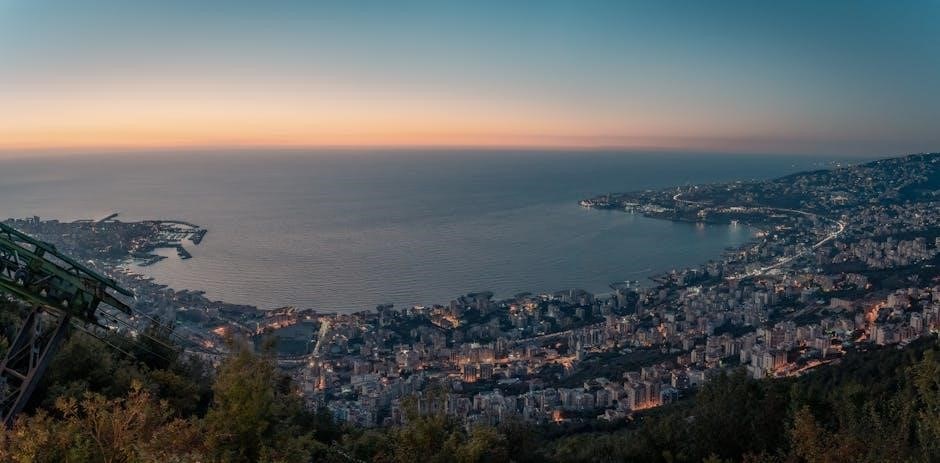
Wander through the markets, savor delicious Lebanese cuisine, and experience the city’s legendary nightlife. Discover historical landmarks like the National Museum of Beirut, showcasing the nation’s rich archaeological heritage. Beirut offers a unique blend of experiences, reflecting Lebanon’s cosmopolitan character. It’s a city of contrasts, where ancient ruins stand alongside contemporary art galleries, creating an unforgettable urban adventure.
Historical Sites & Archaeological Wonders
Lebanon boasts a remarkable wealth of historical sites, reflecting its millennia-spanning past. Explore the magnificent Roman ruins of Baalbek, a UNESCO World Heritage site, featuring colossal temples dedicated to Jupiter, Bacchus, and Venus. Discover the ancient Phoenician city of Byblos (Jbeil), one of the oldest continuously inhabited cities in the world, with its Crusader castle and archaeological park.
Tyre, another UNESCO site, reveals remnants of its Phoenician glory, including a Roman hippodrome and necropolis. Explore the Jeita Grotto, stunning limestone caves showcasing natural beauty and archaeological significance. These sites offer a captivating journey through time, revealing the legacies of Phoenicians, Romans, Crusaders, and Ottomans, making Lebanon a paradise for history enthusiasts.
Outdoor Activities & Natural Beauty
Lebanon’s diverse landscapes offer a plethora of outdoor adventures. Hike through the breathtaking Qadisha Valley, a UNESCO World Heritage site, with its monasteries nestled within dramatic gorges. Ski or snowboard in the mountains during winter at resorts like Mzaar Kfardebian, Faraya, and The Cedars.
Explore the Chouf Mountains, renowned for their cedar forests and scenic trails. Enjoy rock climbing, mountain biking, and river rafting. Discover the beauty of the Mediterranean coastline with swimming, sunbathing, and watersports. Lebanon’s natural beauty extends to waterfalls like the Baatara Gorge Waterfall, a spectacular sight. From challenging hikes to relaxing beach days, Lebanon caters to every outdoor enthusiast’s desires.
Practical Information for Travelers
Planning a trip to Lebanon requires some preparation. Visa requirements vary depending on your nationality; check with the Lebanese embassy or consulate in your country before traveling. Safety and security are important considerations; stay informed about the current situation and heed local advice. Dress respectfully, especially when visiting religious sites.
Transportation options include taxis, buses, and car rentals. Taxis are readily available in cities, but agree on a fare beforehand. Buses connect major towns and cities, offering a more affordable option. Renting a car provides flexibility, but be prepared for challenging road conditions. Consider private tours for a more comfortable and informative experience. Be aware of local customs and traditions to ensure a respectful and enjoyable visit.
Visa Requirements & Entry Procedures
Entering Lebanon generally requires a visa, though regulations depend heavily on your nationality. Many nationalities can obtain a visa on arrival at Beirut–Rafic Hariri International Airport, valid for up to 30 days. However, it’s crucial to verify current policies with the Lebanese embassy or consulate in your home country before your trip to avoid potential issues.
Ensure your passport is valid for at least six months beyond your intended stay. You may be asked to provide proof of onward travel (like a return ticket) and sufficient funds to cover your expenses. Avoid overstaying your visa, as penalties can be severe. Be prepared for potential questioning by immigration officials regarding your purpose of visit. Online visa application options may exist for certain nationalities, streamlining the entry process.
Safety & Security Considerations
Lebanon currently faces a complex security landscape, requiring travelers to exercise heightened vigilance. While many areas remain safe for tourism, political instability and economic challenges contribute to potential risks. It’s advisable to avoid demonstrations and large public gatherings, as these can sometimes escalate. Stay informed about current events through reliable news sources and heed local authorities’ warnings.
Be mindful of petty theft, particularly in crowded areas like markets and public transportation. Avoid displaying expensive jewelry or electronics. Exercise caution when traveling near the borders with Syria and Israel, as these areas can be sensitive. Register with your embassy upon arrival to receive important safety updates. Consider hiring a reputable local guide for excursions, especially to less-traveled regions, to enhance your safety and experience.
Transportation Options
Navigating Lebanon offers a variety of choices, each with its own advantages. Taxis are readily available in cities like Beirut, but agree on a fare beforehand, as meters are not always used. Service taxis (shared taxis) are a more affordable option for shorter distances, following fixed routes. Bus services connect major cities, providing a budget-friendly, though sometimes crowded, travel experience.
Car rental is popular for exploring the country at your own pace, but be prepared for challenging road conditions and traffic congestion, especially in urban areas. Driving requires confidence and awareness. While Uber and other ride-hailing apps operate in Beirut, their availability may be limited outside the capital. Consider private car services with drivers for comfortable and reliable transportation, particularly for airport transfers and longer journeys.
Lebanon’s Economy & Current Challenges

Lebanon’s economy faces significant hurdles, currently grappling with a severe financial crisis. The nation possesses substantial gold reserves, potentially offering a pathway to economic recovery, though utilizing this stockpile is under governmental consideration. Citizens are increasingly turning to gold as a means of financial security amidst the ongoing instability.
Historically a crossroads for trade, Lebanon’s economic landscape has been impacted by political instability and regional conflicts. The collapse of the banking system and currency devaluation have led to widespread poverty and hardship. Efforts toward economic reform are underway, but progress is slow. The country’s reliance on imports and a large public debt contribute to its vulnerabilities. Diversifying the economy and attracting foreign investment are crucial for long-term sustainability.
Gold Reserves and Economic Recovery
Lebanon surprisingly holds one of the largest gold reserves in the Middle East, presenting a potential, though complex, solution to its crippling economic crisis. The government is actively evaluating the possibility of leveraging this gold stockpile to stabilize the currency and inject liquidity into the shattered financial system.
However, utilizing these reserves isn’t straightforward. Concerns exist regarding the potential depletion of a valuable national asset and the impact on future financial flexibility. Experts debate whether selling gold outright or using it as collateral for loans would be the most effective strategy. The success of this approach hinges on transparency, responsible management, and accompanying structural reforms to address the root causes of the economic downturn. Citizens are also increasingly viewing gold as a personal safeguard against financial collapse.
Current Economic Situation
Lebanon is currently grappling with a severe and protracted economic crisis, widely considered one of the worst in modern history. The nation’s financial system has largely collapsed, with banks imposing strict capital controls and the Lebanese pound losing over 90% of its value against the US dollar. This has led to widespread poverty, hyperinflation, and a dramatic increase in social unrest.
Multiple factors contributed to this crisis, including decades of corruption, mismanagement, and unsustainable fiscal policies. The 2020 Beirut port explosion further exacerbated the situation, causing immense damage and disrupting economic activity. Recovery efforts are hampered by political instability and a lack of consensus on necessary reforms. The population faces significant challenges, including limited access to essential goods and services, and a mass emigration of skilled workers seeking better opportunities abroad.